
Reading Your Skrill Transaction History for Casino Play
 Available in GB
The Record You Already Have
Every Skrill casino player is sitting on a complete, time-stamped record of their gambling money, and the overwhelming majority never open it. That transaction history is the single most honest document about your play that exists anywhere, and learning to read it is one of the most quietly powerful things you can do as a wallet user.
Unlike a casino statement, which only shows what happened at that one site, your Skrill history captures the money moving across everywhere you play, because it all flows through the same wallet. Deposits out, winnings in, transfers to your bank, fees taken, all in one place. For the roughly 52 per cent of Skrill users who tap the wallet for online gambling and gaming, this is effectively a consolidated gambling ledger they did not have to build, and it is already keeping itself up to date.
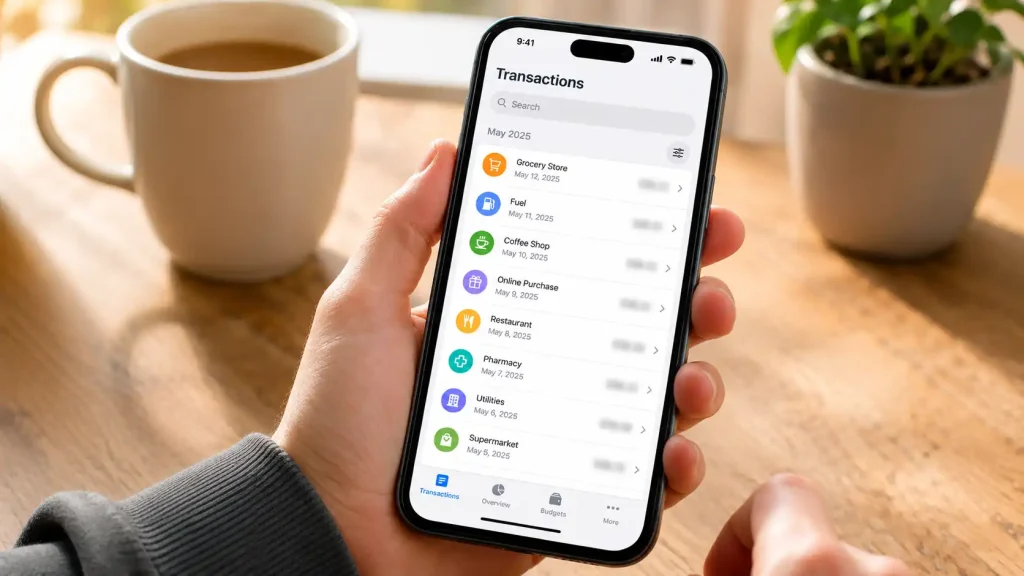
The reason it goes unread is simply that nobody tells players it is useful. This piece does. The history is not just a compliance artefact or a way to chase a missing payment; read properly, it is a budgeting tool, a reality check, and an early-warning system, and the rest of this is about getting fluent in it.
Recommended online casinos
- SlotoSportBonus: 500% up to £ 10 200+ 777 FS · Payout speed: 1-3 business days
- x3betBonus: Welcome Pack 100% Up to £1.000 + 200 Free Spins · Payout speed: 1-3 business days
- AmunbetBonus: Join now and get 450% up to 2,700 GBP + 450 FS · Payout speed: 1-3 business days
- WinBeastBonus: €5000 + 500 FS + €650 Freebet · Payout speed: 1-3 business days
- NightLuckBonus: Welcome Pack + 805% Up To 6400€ + 280 FS · Payout speed: 1-3 business days
- ZombillionBonus: Welcome Pack 250% up to £4000 + 200 FS · Payout speed: 1-3 business days
- DieselwinBonus: Welcome Pack 250% up to £4000 + 200 FS · Payout speed: 1-3 business days
What Each Entry Is Telling You
To use the history you first have to read it, and a Skrill ledger packs more meaning into each line than people assume. Once you know what the fields mean, a screen of transactions turns from noise into a clear narrative of where your money went.
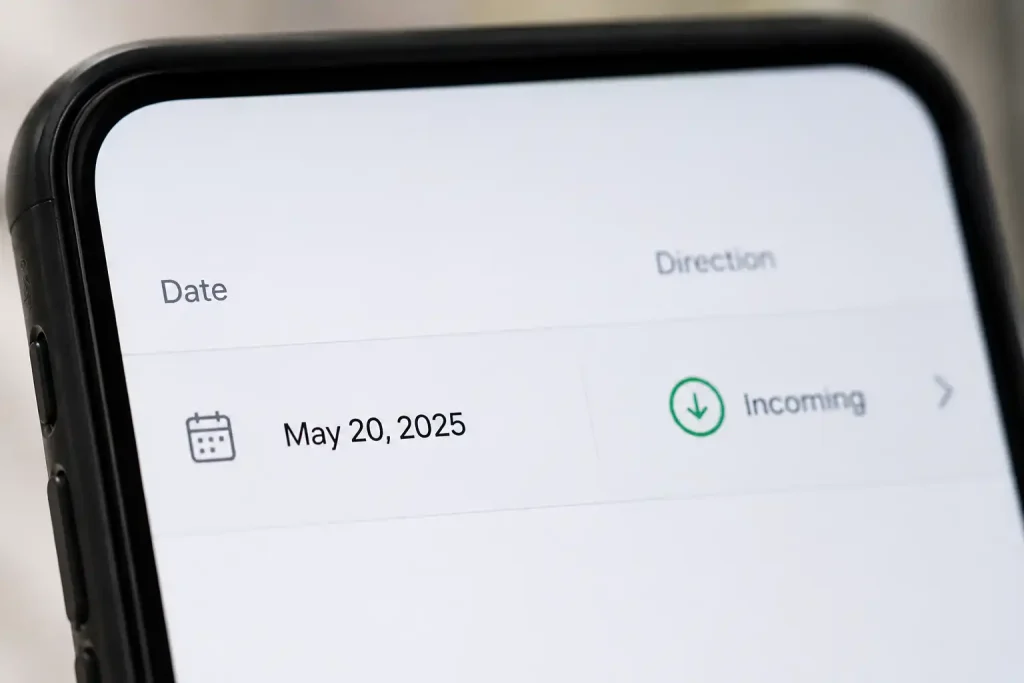
Each entry carries a few things worth attending to: the date and time, the direction of the money, the amount, the counterparty, and any fee. The direction matters most for a quick read, because deposits to casinos and withdrawals back from them, lined up chronologically, immediately show your net position over any period you care to scan. The timestamps add a second layer, revealing not just how much you played but when, and clusters of late-night deposits tell a story a monthly total would hide.

The counterparty and fee fields repay closer attention. The counterparty confirms which transactions were gambling-related, letting you separate casino flows from the rest of your wallet activity, while the fee column quietly records what the wallet cost you, including any of the typical 1.99 per cent charges on transfers out to a card. The mobile context is worth remembering as you scan, since around 74 per cent of Skrill transactions happen on mobile and app usage has grown roughly 38 per cent, so for most players this history is most easily read on the phone where the activity happened. Read the fields together and a single screen tells you how much, how often, when, and at what cost.
Spotting Patterns Before They Cost You
The real value of the history is not in any single entry but in the patterns across many, and patterns are exactly what a running total conceals. A history read regularly becomes an early-warning system, surfacing drifts in behaviour while they are still small enough to correct.
Watch for three shapes in particular. The first is escalating frequency: more deposits this month than last, especially if the individual amounts are creeping up too, which is the clearest behavioural signal a ledger can give. The second is the chase pattern, a burst of deposits clustered tightly after a loss, visible in the timestamps as a rapid sequence rather than the spaced-out rhythm of considered play. The third is the fee drip, lots of small transfers out to a card each carrying the 1.99 per cent charge, quietly costing more in aggregate than any single transaction would suggest.
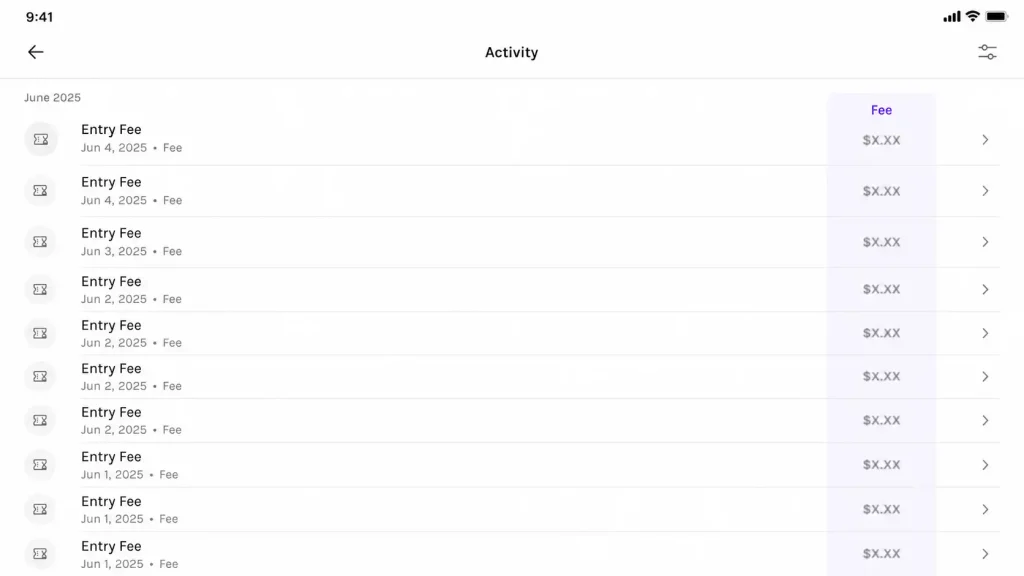
None of these are visible if you only ever check your balance. They emerge only when you read the sequence, which is why I treat a periodic scan of the history as a genuine self-check rather than an accounting chore. Spotting an escalating frequency in week two of a month gives you three weeks to adjust; discovering it from a painful monthly total gives you nothing but regret. The history lets you see the trend while it is still a trend and not yet a problem, and turning that observation into an actual budget is the subject of the guide to using your Skrill statement to budget casino play.
Turning the Ledger Into a Habit
A tool you use once is a curiosity; a tool you use on a schedule is a discipline, and the transaction history only delivers its protective value if reading it becomes routine. The aim is to make checking the ledger as habitual as checking the balance, because the ledger is where the truth lives.

Pick a rhythm and keep it. A weekly scan is enough for most players to catch a drift early, and it takes only a couple of minutes on the phone where the history already sits. Look at the period as a whole rather than the latest entry: count the deposits, note the net position, glance at the timestamps for any chase clusters, and tally the fees. The question you are answering is not “what is my balance” but “what does my behaviour look like from the outside”, which is a far more useful thing to know.
Then act on what you see, because observation without response is just record-keeping. If the frequency is climbing, that is the moment to set or tighten a deposit limit. If the fee drip is real, that is the moment to batch your withdrawals or route them to a bank. If a chase pattern appears, that is the moment to pause and consider a break, perhaps with the wider safer-gambling tools the regulated market provides. The history hands you the evidence; the habit is choosing to look at it regularly and respond. Used this way, a record you already have, kept automatically, costing you nothing to maintain, becomes one of the most effective self-management tools available to any Skrill casino player.
Does my Skrill history show activity across all my casinos?
Yes. Because every casino deposit and withdrawal made through the wallet passes through the same account, your Skrill transaction history consolidates activity across all the sites you fund with it, unlike a single casino"s statement. That makes it a single, automatic ledger of your gambling money wherever you play, which is part of what makes it so useful for spotting patterns.
Can reading my transaction history help me gamble more safely?
It can, by making behaviour visible. Scanning the history regularly surfaces patterns a balance hides, such as rising deposit frequency, chase clusters after a loss, or a steady drip of card-transfer fees. Seeing those trends early lets you respond, by setting a deposit limit or taking a break, before they grow into something harder to manage.
Articles
Published by the Skrill Casino team.