
Best Skrill Casino Sites in the UK: Data-Led Reviews
 Available in GB
Where fast payouts meet hard data.
Skrill Casino Summary and Quick Comparison Data
- Skrill deposits land instantly; the wallet usually clears a payout within a day, but the casino's own processing window sets the real wait.
- The cashier rarely charges you. Skrill's own 1.99% fee only bites when you cash out from the wallet to a debit card.
- Expect Skrill deposits to be excluded from most welcome bonuses. That's deliberate commercial design, not a fault on your account.
- Skrill is FCA-regulated and used by more than 23 million people worldwide, with over half of them gambling through it.
Why Skrill Sits at the Centre of UK Casino Payments
When a UK player asks me to vet a Skrill casino, the first thing I check isn't the game library or the headline number on the welcome banner. It's whether the cashier lets you take money out through Skrill, not just put it in. That single detail separates a site built around the wallet from one that merely tolerates it, and it tells you more about how you'll be treated as a player than any star rating ever could.
It helps to be precise about what we're talking about, because "e-wallet casino" gets thrown around as if every digital wallet behaves the same way. They don't. Skrill is the iGaming-leaning wallet of the Paysafe family, designed from the start for fast, frictionless gambling deposits, and it carries a quirk that PayPal users rarely meet head-on: those instant deposits are frequently locked out of bonus offers. Neteller, its sibling, plays almost the same role. PayPal sits in a different corner entirely, far more restricted across UK gambling sites. So a Skrill casino is not a generic wallet casino, and the comparison points that matter are speed, fees, acceptance and bonus eligibility — in that order.
The reason Skrill earns a guide of its own is volume. Digital wallets are no longer a niche choice for the technically curious. In recent payment research, 35% of players named digital wallets such as Skrill and Neteller as their preferred way to fund play, ahead of pay-by-bank and prepaid cash options. And among Skrill's own users, around 52% reach for the wallet specifically for online gambling and gaming. That's not a payment method that happens to be used for betting; that's a payment method whose centre of gravity is betting.
Deposit speed
Instant. Funds clear in seconds, the same as a card but without typing details into every new cashier.
Payout speed
The wallet itself usually clears a withdrawal within a day once the casino releases it. The casino's own processing is the real bottleneck.
Casino-side fee
Most UK sites charge nothing to deposit or withdraw via Skrill at the cashier.
Skrill's own fee
1.99% applies when you move money out of the wallet to a debit card, not when you spend it at a casino.
What Skrill Is and How It Reached UK Casinos
Skrill has been around for more than two decades, though most players have never heard the name it was born with. It launched in 2001 as Moneybookers, a London company offering email-based payments before "fintech" was a word anyone used at parties. The 2011 rebrand to Skrill, and the later move under the Paysafe umbrella, took it from a workmanlike money-transfer tool to one of the default cashiers across the gambling world.
Strip away the history and the mechanics are simple. A Skrill account is a digital wallet: you load it from a bank card or transfer, the balance sits in your name, and you push that balance to a casino in one motion without re-keying long card numbers each time. The wallet sits between your bank and the operator, which is exactly why the casino never sees your card details and why deposits feel instant.
E-wallet — a digital account that holds a balance you fund from a card or bank, then spend or withdraw without exposing the underlying card to each merchant. Skrill, Neteller and PayPal are all e-wallets; the differences lie in fees, acceptance and how gambling sites treat them.
The scale behind that simplicity is what makes Skrill a serious payment rail rather than a curiosity. More than 23 million people hold an active Skrill account worldwide, and the wallet works across more than 135 countries, with a prepaid Mastercard available in roughly 30 of them. For a UK player that reach mostly translates into one practical fact: almost every operator licensed here that bothers to offer wallets will list Skrill, because the install base is too big to ignore.
Skrill's own leadership has always framed the product as a bridge rather than a vault. Lorenzo Pellegrino, who ran Skrill and Neteller within Paysafe, put it plainly when he said the business is "dedicated to better connecting consumers and our merchant partners through payments" — a tidy way of saying the wallet earns its keep by sitting in the middle of a transaction and making both sides move faster. For gambling, where the merchant wants your deposit cleared before the impulse fades and you want your winnings the moment you ask, that middle position is the whole value proposition.
Moneybookers, Skrill and the Paysafe group are the same lineage, not competing brands. If you read an old casino review that mentions Moneybookers, it's describing the wallet you now know as Skrill. The account types, the verification rules and the gambling focus all carried through the rebrand.
What hasn't changed across a quarter of a century is the wallet's relationship with iGaming. Skrill grew up serving poker rooms and sportsbooks when mainstream banks were nervous about gambling flows, and that early specialism still shows. The verification it asks for, the speed it prioritises and the markets it leans into are all shaped by an industry that wants money in and out quickly. That heritage is the reason a Skrill casino tends to feel built for the wallet rather than retrofitted to accept it.
Why UK Players Pick Skrill Over Cards and Rivals
I once watched a regular spend four minutes hunting for his debit card, mistyping the long number twice, then giving up on a session entirely. A wallet user in the same situation is two taps in and playing. That gap — friction, not loyalty — is the honest reason most UK players who switch to Skrill never switch back.
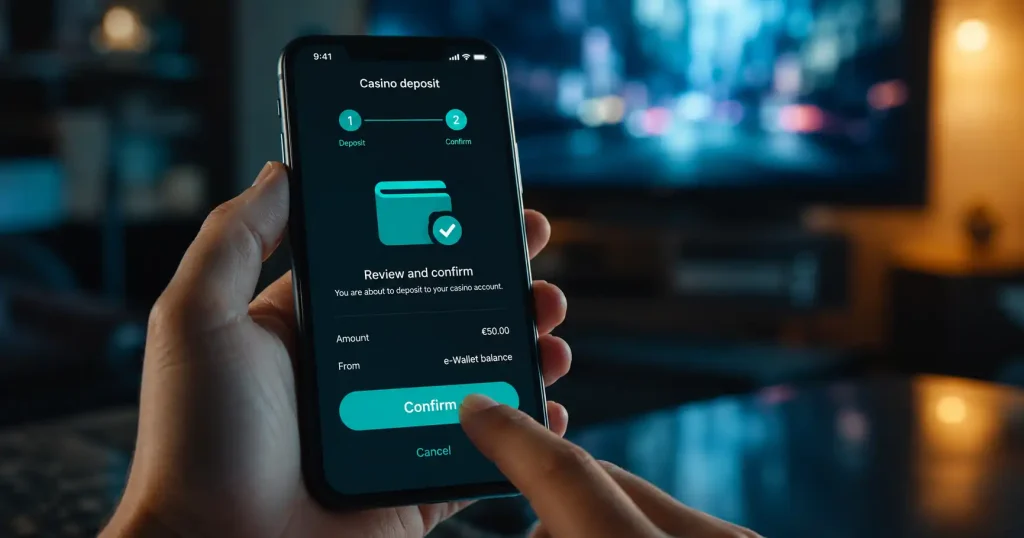
Speed is the headline, and the perception data backs it up hard. In Paysafe's player research, 65% of online bettors named digital wallets the fastest way to collect winnings, and 57% called them the safest method for receiving money. Those are remarkable numbers for a payment category that barely registered with casual punters a decade ago. When more than six in ten people who actually bet money believe a method gets their winnings to them quickest, that belief becomes a reason to choose it regardless of whether a card would clear at the same moment.
The second reason is privacy by separation. Because the casino only ever sees your Skrill account, your card and bank details never touch the operator's systems. For players who hold accounts across several sites, that single point of contact is genuinely reassuring — one verified wallet rather than a card detail scattered across a dozen cashiers.
Roughly 52% of all Skrill users reach for the wallet specifically for online gambling and gaming. Very few payment products in the world are this tightly bound to a single use case, which is exactly why operators treat Skrill as a gambling rail first and a general wallet second.
The third reason is that wallets have quietly become the default preference rather than the alternative. When 35% of players name digital wallets as their preferred funding method — more than pay-by-bank at 27% and prepaid cash at 22% — the wallet stops being the clever-money choice and becomes the mainstream one. UK players reach for Skrill for the same reason they reach for contactless: it removes a step they've stopped wanting to perform.
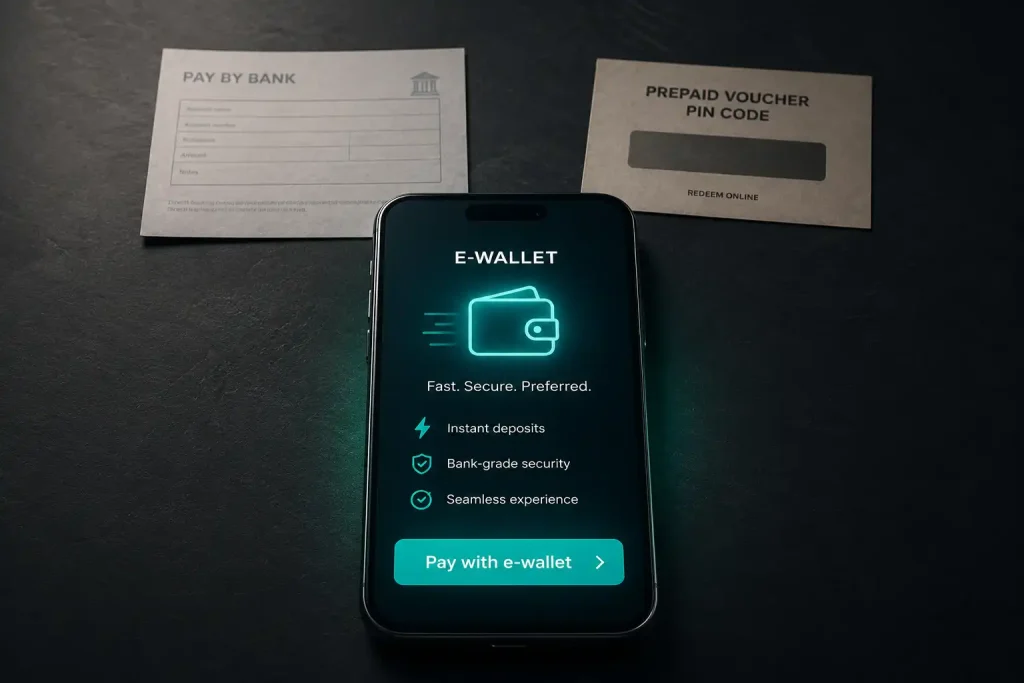
Operators understand this better than players sometimes do. Zak Cutler, who leads Paysafe's global gaming business, has argued that "payment methods matter to iGaming players" and that digital wallets "help operators acquire and retain high-value players." That's not marketing fluff; it's the commercial logic that explains why a serious casino invests in smooth wallet support. The players who fund with Skrill tend to deposit more often and stay longer, so the cashier experience is a retention tool, and the operators that treat it as one win the wallet crowd.
Set against cards, the trade-off is real but narrow. A debit card is universally accepted and almost always bonus-eligible; a wallet is faster to reuse, cleaner on privacy and frequently bonus-excluded. UK players who pick Skrill have usually decided that the convenience and the payout perception outweigh a welcome offer they may not clear anyway — a calculation that gets sharper the more often you play.
Depositing and Withdrawing: Speed, Steps and Limits
Here's the asymmetry nobody warns you about when they sell you on "instant payments": your money goes in at the speed of light and comes out at the speed of a compliance team. The deposit and the withdrawal are not mirror images, and confusing the two is the single most common cause of disappointment I see from new wallet users.
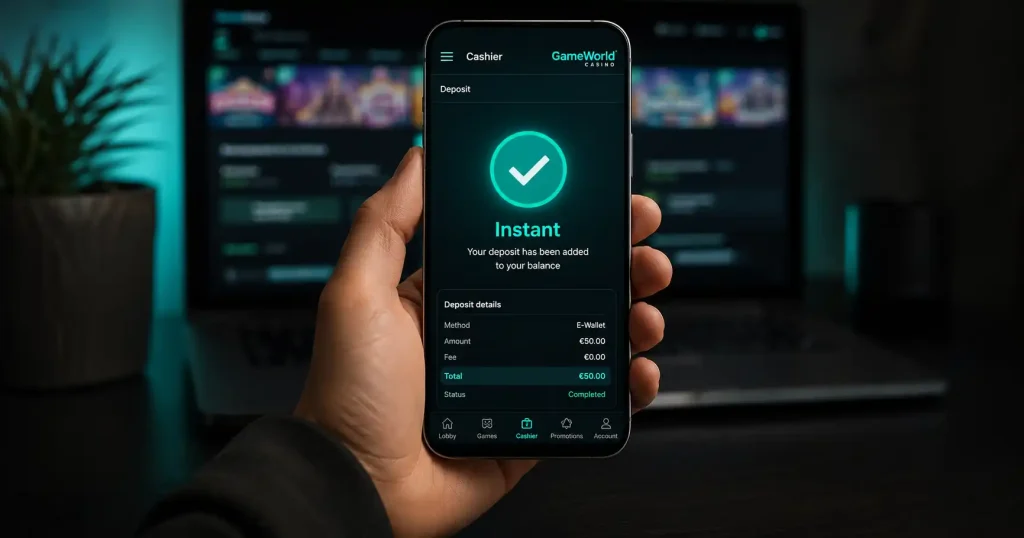
On the way in, a Skrill deposit is about as fast as gambling money moves. You select Skrill at the cashier, confirm the amount, approve it in the wallet, and the balance updates before you've put your phone down. Behind that simplicity sits enormous traffic — UK online sites took £1.49 billion in gross gambling yield in a single April-to-June quarter, spread across 26.1 billion individual bets and spins. Wallets like Skrill exist precisely to keep that firehose flowing without making each player retype a card.
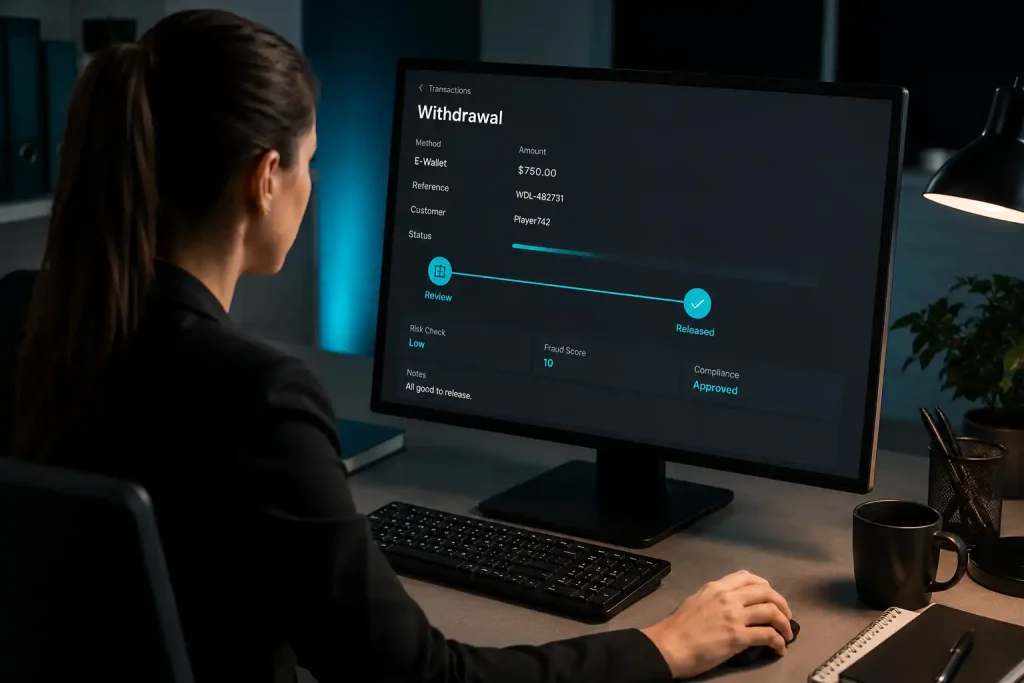
The withdrawal is where reality intrudes. Two separate clocks run. The first is the casino's: it reviews the request, runs any anti-fraud and source-of-funds checks, and only then releases the money — and that step can take anywhere from minutes to a couple of working days depending on the operator. The second clock is Skrill's, and it's the fast one; once the casino releases the payout, the wallet usually reflects it within a day. When a site advertises "instant withdrawals," it's promising you a short first clock, not a magic trick.
Worked example: a full money round-trip
Deposit £200 via Skrill. The casino balance updates in seconds, with no cashier fee.
You win and request a £350 withdrawal. The casino reviews and releases it in, say, eight hours.
Skrill credits the £350 to your wallet balance the same day, again with no casino fee.
The only point a charge could appear is later, if you push that £350 out of Skrill to a debit card — covered in the next section.
Limits are the third variable, and they're set by the casino, not the wallet. Minimum Skrill deposits across UK sites cluster at £5 or £10, occasionally £20, while withdrawal caps — daily, weekly and monthly — vary widely and tighten for unverified accounts. The wallet itself imposes its own ceilings tied to your verification tier, so a fully verified Skrill account moves larger sums than a fresh one. None of this is exotic, but it's the kind of detail that turns a "fast" payout into a frustrating one when a big win bumps against a weekly cap.
Treat deposit speed and withdrawal speed as two different questions with two different answers. The deposit is governed by the wallet and is reliably instant. The withdrawal is governed mostly by the casino's processing policy, which is why two sites that both "accept Skrill" can pay out days apart.
Because the mechanics deserve more room than an overview allows, I've broken the funding side down step by step in our deep dive on how a Skrill deposit actually clears at the cashier, and the cash-out side in a separate piece on how fast Skrill payouts really are. The short version: instant in, and "as fast as the casino allows" out.
The Real Cost of Using Skrill at Casinos
The most expensive fee in gambling payments is the one you never see coming, and with Skrill it's almost always the same one: the 1.99% you pay to move money out of the wallet to a debit card. Everything else tends to be free, which is exactly why this charge slips past so many players.
Let me draw the boundary clearly, because the word "fee" gets used loosely. At a UK casino, depositing with Skrill and withdrawing back to Skrill normally costs you nothing at the cashier — the operator absorbs it as a cost of doing business. The charge lives one step further out, inside the wallet itself, when you decide to take your balance out of Skrill and onto a card. There, Skrill applies a typical 1.99% on the amount you withdraw to a debit card.
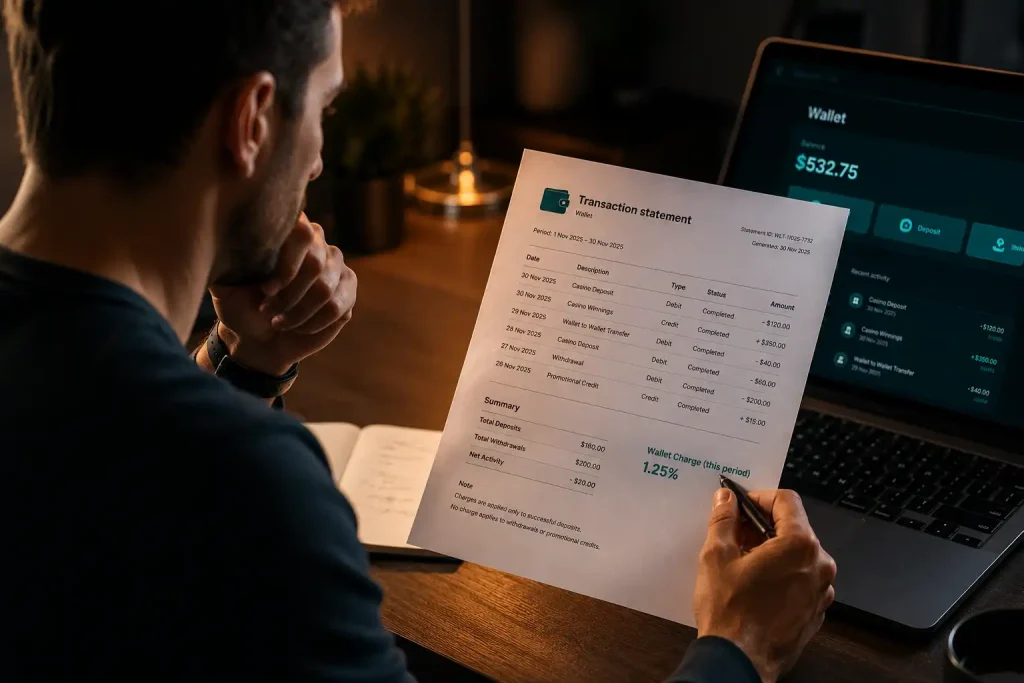
Worked example: the 1.99% card withdrawal
You hold £500 in your Skrill wallet after a good run.
You withdraw the full £500 to your debit card.
Skrill takes 1.99%, which is £9.95.
You receive £490.05 on the card.
Had you left the money in the wallet to fund your next deposit, that £9.95 would never have been charged.
That last line is the whole insight. The 1.99% is avoidable for anyone who treats Skrill as a standing gambling float rather than a pass-through to their bank. Players who keep a working balance in the wallet and recycle it across sessions pay the fee rarely; players who cash out to a card after every win pay it constantly. Neither is wrong, but they cost very different amounts over a year.
There are smaller charges worth knowing about, even though they bite less often. Currency conversion is the sneakiest — if a casino operates in euros and you fund from a sterling balance, Skrill applies an FX margin that can quietly exceed the headline withdrawal fee. Inactivity and certain one-off operations carry their own charges too, some reaching toward 2.99%. For a UK player sticking to GBP sites and using the wallet regularly, none of these should ever appear, which is rather the point: Skrill's fee structure punishes irregular, cross-currency, cash-out-everything behaviour and rewards the steady wallet user.
So the honest answer to "what does Skrill cost at a casino" is usually nothing at the table and 1.99% at the exit — and the exit fee is a choice, not a tax.
Why Skrill Deposits Are Often Excluded From Bonuses
Here's the paradox that catches everyone out. The very feature that makes Skrill brilliant — instant, low-friction deposits — is the reason your deposit so often fails to unlock a welcome offer. The wallet that gets you playing fastest is the one most likely to be shut out of the bonus, and players take it personally when they should take it as economics.
The logic is commercial, not punitive. When you fund a casino with a card, the operator pays one set of transaction costs. When you fund it through an e-wallet, a separate fee structure applies, and across the industry that pushes up what it costs the casino to acquire and bank a wallet-funded customer. Layer a generous bonus on top of an already pricier deposit channel and the maths stops working. So operators draw a line: deposit with a card to claim the welcome offer; deposit with Skrill if you'd rather skip it. It's the same instinct that makes shops surcharge certain payment types, dressed up in bonus terms.

This is the single most misread rule in wallet gambling. A "Skrill deposits do not qualify for this promotion" line in the terms is not a sign of a dodgy site or a fault with your account. It's a standard commercial exclusion you'll find across well-run, fully licensed operators. Read it before you deposit, not after.
There's a second layer behind the exclusion: bonus abuse. Wallets make it trivial to move money in and out quickly, which is exactly what bonus hunters exploit when they try to extract value from an offer without genuine play. Excluding the fastest channels is a blunt but effective way for operators to slow that down. You, the ordinary player, are caught in the same net — not because anyone thinks you're gaming the system, but because the rule is written for the minority who are.
The strength of preference for wallets makes the trade-off concrete. With 35% of players naming digital wallets their preferred funding method, operators know that excluding Skrill from bonuses costs them some goodwill — and they do it anyway, which tells you how unattractive the bonus economics on wallet deposits really are. The exclusion survives precisely because the players who insist on wallets mostly value speed and payout over a one-off welcome offer.
Knowing the mechanism changes how you read an offer. The full picture — which offers still accept wallet deposits, how exclusions interact with wagering requirements, and whether switching to a card for a bonus is ever worth it — sits in our dedicated breakdown of why your e-wallet often gets shut out of welcome offers. For the pillar, the takeaway is narrow: the exclusion is normal, it's about cost, and it's spelled out in the terms.
Is Skrill Safe and Legal for UK Gambling?
People ask me whether Skrill is "safe" and almost always mean two completely different things at once, then get confused by the answer. So let me split the question before I answer it: one part is whether the wallet itself is a secure, regulated place to keep money, and the other is whether playing at a casino through it is legal. They have different regulators and different answers, and conflating them is how players end up worrying about the wrong thing.
On the wallet side, Skrill operates as an FCA-regulated e-money institution in the UK. That status carries concrete obligations: customer funds must be safeguarded separately from the company's own money, identity must be verified, and the wallet must apply the encryption and tokenisation standards expected of a modern payment provider. Tokenisation — replacing your real card or account number with a meaningless stand-in for each transaction — is the quiet reason a casino never holds anything that could be used to drain your account. The wallet is, by design, a buffer.

On the gambling side, the question is about the casino, not Skrill. Any operator serving UK players legally must hold a licence from the Gambling Commission, and that licence is what makes your play lawful and your disputes enforceable. The scale of the regulated market is the reassurance here: UK gambling produced £16.8 billion in gross gambling yield in the year to March 2025, a 7.3% rise, almost all of it flowing through licensed operators subject to the Commission's rules. Using a legitimate wallet at a licensed site is, start to finish, a regulated transaction.
Two separate safety questions, two separate regulators. The Financial Conduct Authority oversees Skrill as a payment provider. The Gambling Commission oversees the casino. A site can be perfectly safe as a payment route and still be an unlicensed casino you should avoid — always check the operator's licence, not just the wallet's reputation.
It's worth grounding all this in how British life actually works now, because the regulator does. Andrew Rhodes, who runs the Gambling Commission, has noted that "95 per cent of adults have the Internet at home" and that people "average over 4 hours online a day, 75 per cent of which is on smartphones." That mobile-first reality is why payment security has shifted from the desktop browser to the phone in your hand, and why a wallet's app-level protections matter as much as any padlock icon. The risk surface moved, and the rules followed.
The behavioural data shows wallets are still a minority habit even as they grow. One in five UK card holders now uses a digital wallet for more than half of their transactions, while 59% don't use one at all. That split matters for safety because it means wallets aren't yet the universal default — so the responsibility to verify a site, rather than assume familiarity, sits squarely with the player.
Skrill is a regulated, safe place to hold and move gambling money. Whether your play is safe and legal depends on the casino's Gambling Commission licence, not the wallet. Check both, and you've covered the only two questions that matter.
Because security deserves more than an overview, the encryption detail, the scam signals and the legality edge cases get a full treatment in our full security audit of Skrill for UK play.
Skrill vs Neteller vs PayPal at a Glance
Players treat these three wallets as interchangeable until the moment one of them won't do what they need, usually at the cashier of a site they've already chosen. The truth is they occupy three distinct positions, and picking the wrong one for a particular casino is a self-inflicted wound. Here's the shape of it before the detail.
Skrill and Neteller are siblings under the Paysafe roof, built for the same job and treated almost identically by gambling operators. PayPal is the outsider — vastly more recognised in everyday retail, vastly more restricted in UK gambling, where comparatively few licensed sites accept it for play. So the practical contest for most UK punters is Skrill against Neteller, with PayPal a fallback only where it happens to be supported.
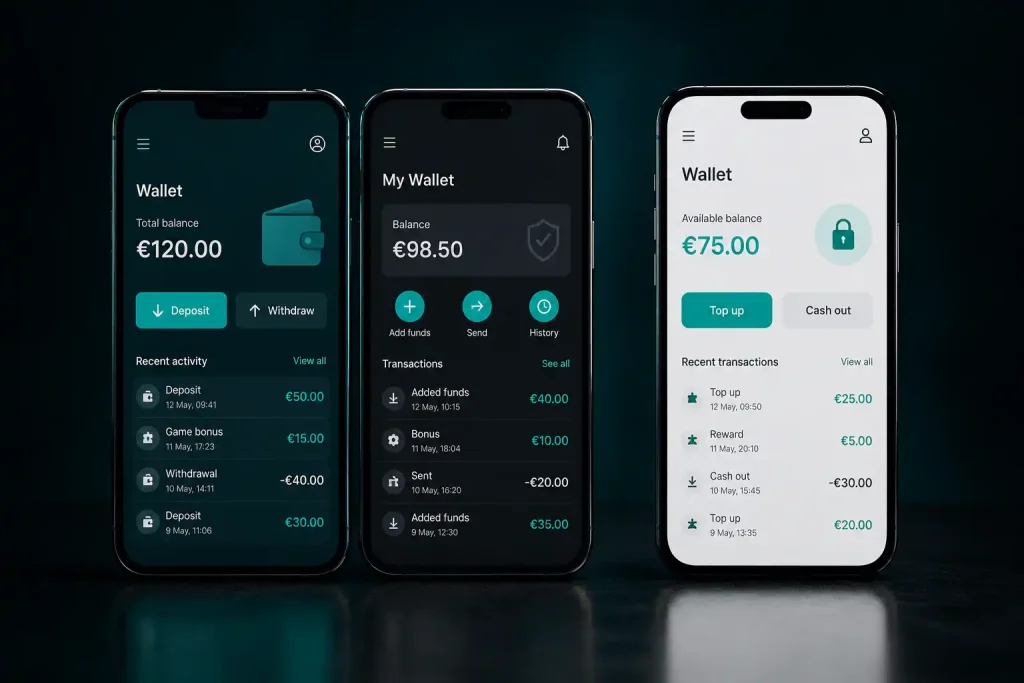
| Characteristic | Skrill | Neteller | PayPal |
|---|---|---|---|
| Ownership | Paysafe family | Paysafe family | Independent |
| UK casino acceptance | Wide | Wide | Limited and restricted |
| Deposit speed | Instant | Instant | Instant where accepted |
| Withdrawal to wallet | Supported | Supported | Where the site allows it |
| Typical card cash-out fee | Around 1.99% | Comparable | Varies by region |
| Bonus eligibility | Often excluded | Often excluded | Sometimes excluded |
| Primary orientation | iGaming-first | iGaming-first | General retail |
The fee picture is closer than rivalry suggests. Skrill's card cash-out runs at a typical 1.99%, and Neteller sits in much the same range, so fees rarely decide the contest between the two Paysafe wallets. PayPal's costs depend more on currency and region, which is one more reason it behaves like a different species rather than a third option in the same family.
Acceptance and bonus treatment do more to separate them than price. Because Skrill and Neteller are wallet-for-wallet so similar, most UK players choose between them on small margins: which one a favourite site lists, which loyalty scheme they already use, which they verified first. PayPal's exclusion from so many gambling cashiers means it's often not a choice at all — and the same 35% of players preferring wallets are, in the UK gambling context, overwhelmingly choosing between the two Paysafe products rather than a true three-way field.
If you want the head-to-head that actually settles the everyday decision — fees line by line, acceptance, limits and which wallet suits which kind of player — it's laid out in detail in our look at how the two Paysafe wallets stack up.
The UK Online Casino Market Behind the Numbers
Strip away the marketing and UK online gambling is, at heart, a payments business with a games layer bolted on top. Once you see it that way, the size of the money moving through it explains everything about why wallets like Skrill matter so much. The numbers are bigger than most players imagine.
The headline figure is the gross gambling yield, the amount operators keep after paying out winnings. For the year to March 2025 that reached £16.8 billion across the whole industry, up 7.3% — and the online slice is growing faster than the rest, rising 13.1% to £7.8 billion. Online casino games alone delivered the largest single chunk of that, around £5 billion, up 14.9% year on year. This is not a mature market drifting sideways; it's one still expanding at double-digit pace, which is exactly the environment in which payment providers fight hardest for share.
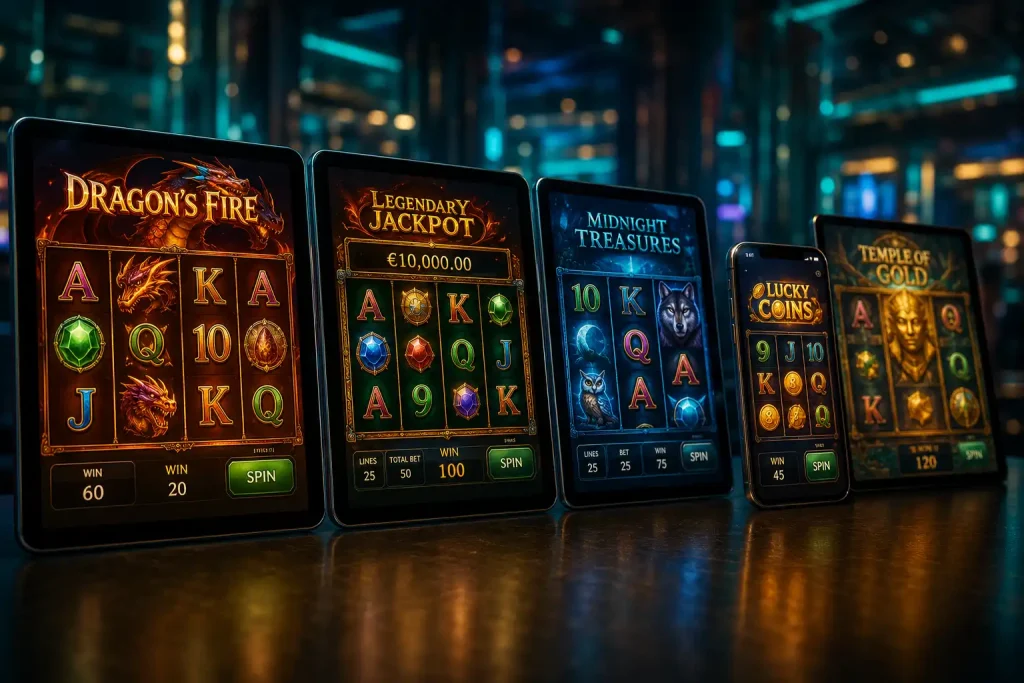
Online slots account for a staggering 83.5% of all online casino gross gambling yield — roughly £4.2 billion — with roulette a distant second at 7.5%. When people picture "online casino," they're really picturing slots, and almost every spin is funded by a card or a wallet in the half-second before the reels move.
The regulator is candid about the scale of all this. Andrew Rhodes, the Gambling Commission's chief executive, has described the record as gross gambling yield reaching "its highest ever level at £15.6bn" — a figure that has since climbed past it to the £16.8 billion recorded for the year to March 2025. The point of quoting the older record isn't nostalgia; it's that the line keeps moving up, and each new high is funded by the same payment rails this guide is about.
Why a payments guide cares about market size: the bigger and faster the money flow, the more operators compete on cashier quality. A market handling billions in online yield every year is one where smooth wallet support, fast payouts and slick mobile checkout become competitive weapons — which is precisely why the Skrill experience has improved as the market has grown.
Concentration is the other half of the story. With slots dominating to the tune of 83.5% of online casino yield, the entire ecosystem is optimised around a single, fast, repetitive product. Slots reward frictionless funding — small, frequent deposits, instant top-ups, quick payouts — which is the exact behaviour wallets are built to serve. A market this concentrated on one game type is a market tailor-made for a wallet like Skrill, and the adoption figures we've already seen are the consequence, not a coincidence.
So when you weigh a Skrill casino, you're not choosing a payment method in isolation. You're plugging into a £7.8 billion online economy whose dominant game is built for speed, whose operators compete on cashier polish, and whose regulator watches the whole thing climb year after year. The wallet's prominence is a direct reflection of what that market rewards.
Stake Limits, Deposit Caps and Playing Responsibly
The fastest cashier in the world is also the easiest one to misuse, and I'd be doing you a disservice if I sold you on Skrill's frictionlessness without saying so out loud. The same two-tap convenience that makes the wallet a pleasure to use is the thing that removes the natural pause a fiddly card payment used to impose. That's not a reason to avoid it; it's a reason to understand the guardrails that now sit around it.
The regulatory landscape changed sharply through 2025, and the changes reach every Skrill player whether they notice or not. A £5 stake limit per spin on online slots came into force for all adults from 9 April 2025, followed by a tighter £2 cap for players aged 18 to 24 from 21 May. These are hard ceilings on how much you can wager in a single spin, designed around clear evidence that higher stakes track higher harm — among players staking between £2 and £5, more than half fell into the group at greatest risk of harm.
The deposit side tightened too. From 31 October 2025, every operator must prompt customers to set a deposit limit before their first deposit, and the threshold at which financial vulnerability checks kick in was cut from £500 to £150 over a rolling 30 days. Andrew Rhodes framed the deposit-limit rule directly, saying new rules would "give consumer controls over deposit limits" and that "all gambling businesses must prompt their customers to set a financial limit before they make their first deposit." For a wallet user, the practical effect is a moment of deliberate friction reintroduced exactly where the technology had removed it.
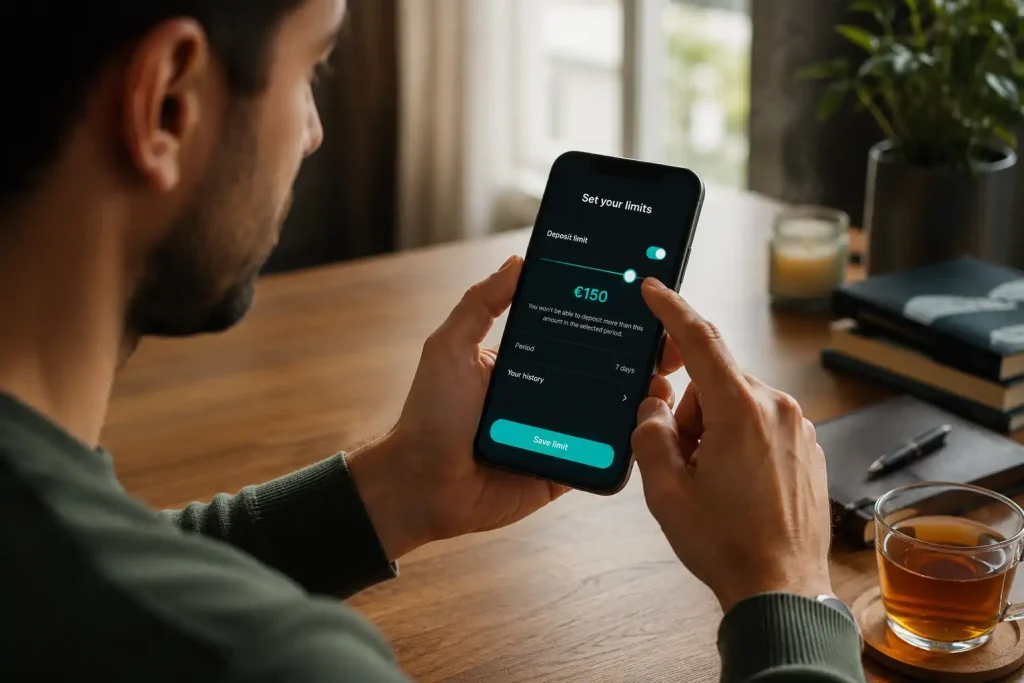
The instant nature of a Skrill deposit is its great strength and its quiet risk. Set a deposit limit at the casino before you start playing, and treat the wallet balance you keep as your real budget. The tools exist on both the casino and the wallet side; the only mistake is not using them.
The scale of harm is why none of this is optional box-ticking. Around 2.7% of UK adults — roughly 1.4 million people — score at the level that indicates problem gambling, and the rate is highest among the youngest adults. Those aren't abstract figures when the cashier in your pocket clears a deposit in two taps. A wallet doesn't cause harm, but a frictionless one can let existing harm accelerate, and that's the honest reason the regulator has spent a year rebuilding the speed bumps.
Skrill's convenience is real, and so is the responsibility that comes with it. Use the deposit limit you're now prompted to set, keep your working wallet balance equal to what you can afford to lose, and remember that the stake and deposit rules introduced through 2025 exist because the data demanded them.
If your play ever stops feeling like a choice, the national gambling support network offers free, confidential help, and every licensed site is required to point you to it. The fast cashier should serve your decisions, never replace them.
How to Choose a Skrill Casino Worth Your Money
After six years reading cashiers for a living, I can usually tell within thirty seconds whether a site respects Skrill players or merely lists the logo. The tells are small and consistent, and once you know them you'll never again mistake a wallet-friendly casino for a wallet-tolerant one. None of this requires a brand recommendation — it's a checklist of characteristics, and you apply it yourself.
The first test is symmetry. A site that lets you deposit with Skrill but quietly routes withdrawals only to bank transfer is treating the wallet as a marketing checkbox. A real Skrill casino lets you cash out to the same wallet you funded with. The second test is honesty in the terms: a wallet-friendly operator states its bonus exclusions plainly rather than burying them, so you know before you deposit whether your Skrill funds qualify.
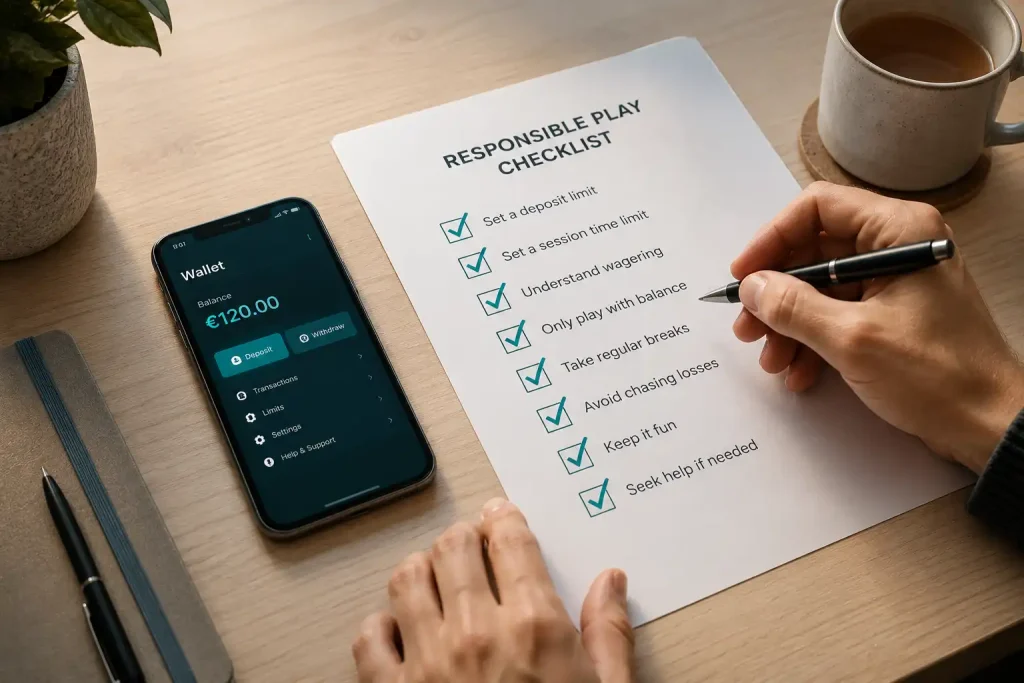
Worth checking
- A current Gambling Commission licence, verified on the operator's own page and the regulator's register.
- Skrill listed for both deposits and withdrawals, not deposits alone.
- Bonus terms that state wallet exclusions clearly, in language you can find without a magnifying glass.
- A deposit-limit tool offered up front, as the rules now require.
- Clear, GBP-denominated cashier pages so currency conversion never sneaks in.
Worth avoiding
- Any site promising play with "no verification" — a legal UK casino cannot offer it.
- Assuming "instant withdrawal" claims mean the casino's review is instant too.
- Ignoring the currency a casino operates in if it isn't sterling.
- Depositing with Skrill to chase a bonus the terms exclude wallets from.
- Treating a recognisable wallet logo as proof the casino itself is licensed.
The third test is about your own habits, not the site's. Cards still rule UK betting — debit cards are the number-one method here at 48%, well ahead of the 42% global figure, a dominance cemented since credit cards were banned for gambling in April 2020. That matters when you choose, because a casino optimised for the card-using majority may treat wallet users as an afterthought, while a site that actively courts Skrill players will show it in faster wallet payouts and clearer wallet terms. Match the site's strengths to how you actually pay.
Put plainly: a Skrill casino worth your money pays out to Skrill, tells the truth about bonuses, offers the responsible-play tools by default, and keeps everything in your currency. Everything else is decoration.
Questions UK Players Ask About Skrill Casinos
These are the questions that land in my inbox most often, stripped of the hedging and answered the way I'd answer a friend who asked over coffee. Where a topic has a full guide of its own, I've kept the answer here to the essentials.
One rule underpins most of these answers: the casino's Gambling Commission licence governs your play, and Skrill's FCA status governs your money. Almost every "is this allowed" question resolves once you separate those two.
Do UK casinos accept Skrill, and is it legal?
Yes on both counts. Skrill is widely accepted across UK-facing casinos, and playing through it is legal provided the casino holds a Gambling Commission licence. The licence is what makes your play lawful and your disputes enforceable, so the test isn't whether Skrill is allowed — it always is — but whether the specific operator you've chosen is licensed. Use a legitimate wallet at a licensed site and the whole transaction is regulated from end to end.
How long does a Skrill casino withdrawal take?
It depends almost entirely on the casino rather than the wallet. The site reviews and releases the payout first, which can take minutes to a couple of working days, and Skrill then credits your wallet, usually within a day of release. The wallet is the fast part; the casino's processing policy is what actually determines your wait, which is why two sites that both accept Skrill can pay out days apart.
Why is Skrill so often excluded from welcome bonuses?
It comes down to cost. E-wallet deposits carry a different fee structure that raises what it costs an operator to bank a wallet-funded customer, and stacking a bonus on top makes the economics fail. Excluding wallets also blunts bonus abuse, since the speed that makes Skrill convenient is the same speed hunters exploit. The exclusion is standard across well-run sites and always stated in the terms.
What does Skrill cost at a casino?
Usually nothing at the cashier. Most UK sites let you deposit and withdraw via Skrill for free. The fee you should know about lives inside the wallet: Skrill applies a typical 1.99% when you move money out to a debit card. Keep a working balance in the wallet and recycle it, and you can avoid that charge almost entirely.
What is the minimum Skrill deposit at UK casinos?
Most UK casinos set the minimum Skrill deposit at £5 or £10, with some pitching it at £20. The figure is set by the casino, not the wallet, so it varies from site to site. Low minimums are common because slots reward small, frequent top-ups, but a low minimum rarely changes whether a deposit qualifies for an offer.
Is Skrill safe enough for online gambling?
Yes. Skrill is an FCA-regulated e-money institution that safeguards customer funds, verifies identity and uses encryption and tokenisation so the casino never sees your card details. Adoption is still growing rather than universal — one in five UK card holders uses a digital wallet for over half their transactions, while 59% don't use one at all — so the safety advice is the same as ever: confirm the casino's licence as well as trusting the wallet.
Skrill, Neteller or PayPal — which should I use?
For UK gambling it's effectively Skrill against Neteller, since both are Paysafe wallets treated almost identically by operators and accepted widely, while PayPal is far more restricted across gambling sites. Choose between the two on small margins: which your favoured site lists, which loyalty scheme you use, which you verified first. PayPal is a fallback only where a casino happens to support it.
The Bottom Line on Skrill at UK Casinos
Skrill earns its place at UK casino cashiers by doing one thing exceptionally well: it collapses the time between a decision and a transaction. Deposits land instantly, withdrawals clear the wallet within a day once the casino releases them, and the operator never sees your card details. For a payment rail used by more than 23 million people worldwide, with over half of them gambling through it, that combination is the whole proposition. Everything else is detail.
The details, though, are where the real choices live. The 1.99% fee on the card-cashout step is the one cost most players miss, and recycling a working balance inside the wallet sidesteps it almost entirely. The bonus exclusion is normal commercial design rather than a flaw on your account, so the practical question is whether a particular welcome offer is worth depositing by card to claim. Safety is two questions, not one — Skrill's FCA status protects the wallet, the Gambling Commission licence protects your play — and both need a yes before you fund a site.
The regulatory floor has moved, and the floor will keep moving. A £5 spin cap on slots for all adults, a tighter £2 cap for the 18-to-24 group, mandatory deposit-limit prompts at sign-up and a £150 vulnerability threshold all reshape how a wallet user should approach a session. Skrill doesn't fight those rules — it makes them easier to live with, because the same speed that lets a deposit land in seconds lets a deposit limit bite in seconds too.
The verdict. Pick a Gambling Commission–licensed casino first, then use Skrill if the site supports it and you value speed over the bonus you would give up. Keep a working balance in the wallet to avoid the cashout fee, set a deposit limit before your first transfer, and treat the frictionless cashier as a reason to be deliberate rather than a reason to be quick.
Payments
Created by the "Skrill Casino" editorial team.