
Holding Multiple Currencies in Skrill for Casino Play
 Available in GB
When One Currency Isn’t Enough
For most UK players, a single sterling balance is all they will ever need, and that is genuinely the right setup. But a meaningful minority play at sites that price in euros or dollars, or move between currencies for other reasons, and for them the question of how Skrill handles multiple currencies stops being academic and starts costing or saving real money.
Skrill is built as a multi-currency wallet, able to hold balances in more than one currency at once, which reflects its reach across more than 135 countries and its prepaid Mastercard in 30 of them. A network operating at that scale has to handle many currencies natively, and that capability flows down to the individual account. The practical upshot is that you are not locked to one currency the way a domestic bank account often is.
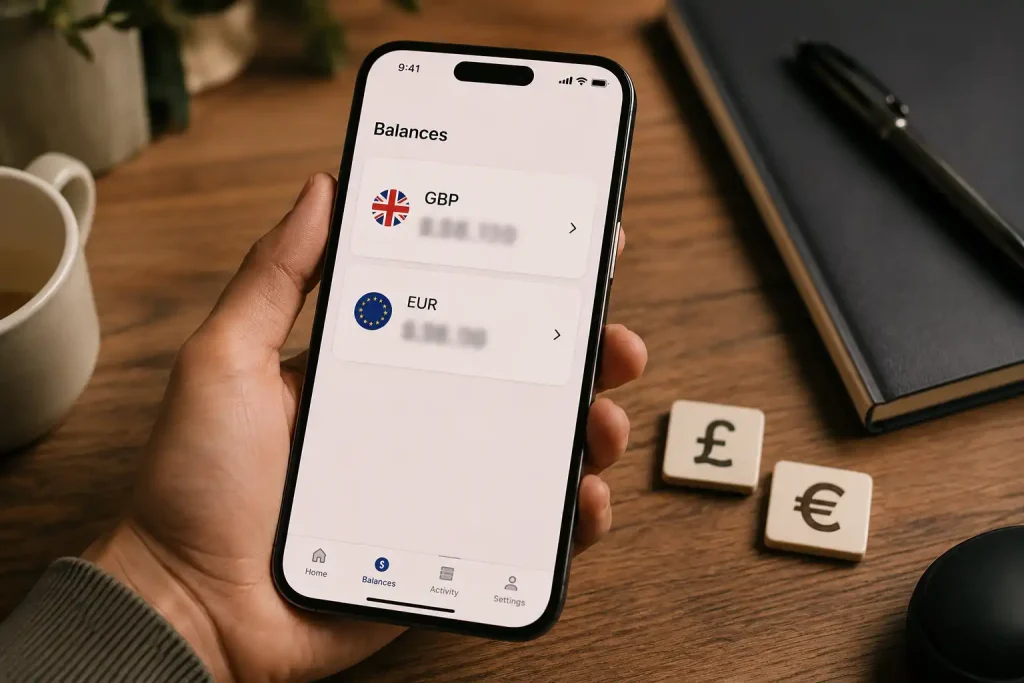
This matters because every time currencies meet, a conversion margin can apply, and a multi-currency wallet is the tool that lets a cross-currency player control when and how often that happens. Used well, holding more than one balance is a way to reduce conversion costs; used carelessly, it can multiply them. This piece is about staying on the right side of that line.
How Multi-Currency Balances Work
The mechanics are more intuitive than they sound once you picture the wallet as a set of separate pockets rather than a single pool. Each currency you hold lives in its own pocket, and the wallet only converts when money has to move from one pocket to another.
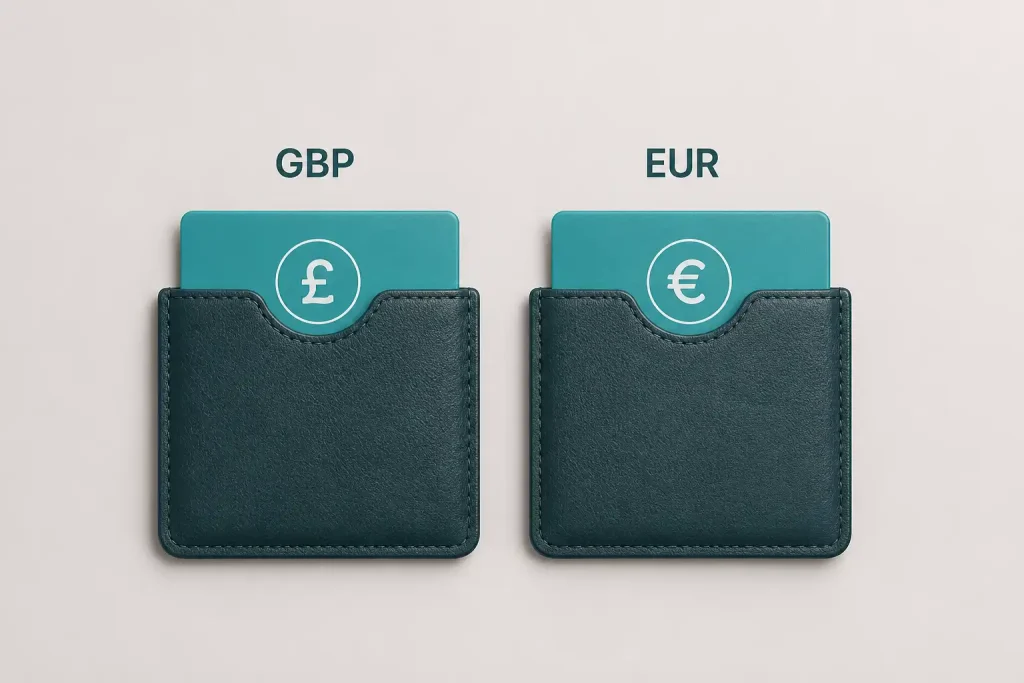
In practice, you can hold, say, a sterling balance and a euro balance side by side in the same Skrill account. Money paid into the wallet in pounds lands in the sterling pocket; money received in euros lands in the euro pocket. When you spend at a casino, the wallet draws from the matching currency pocket if you have one, and only converts if you do not. This is the key behaviour: a euro deposit at a euro casino, funded from your euro balance, involves no conversion at all, because the currencies already match.
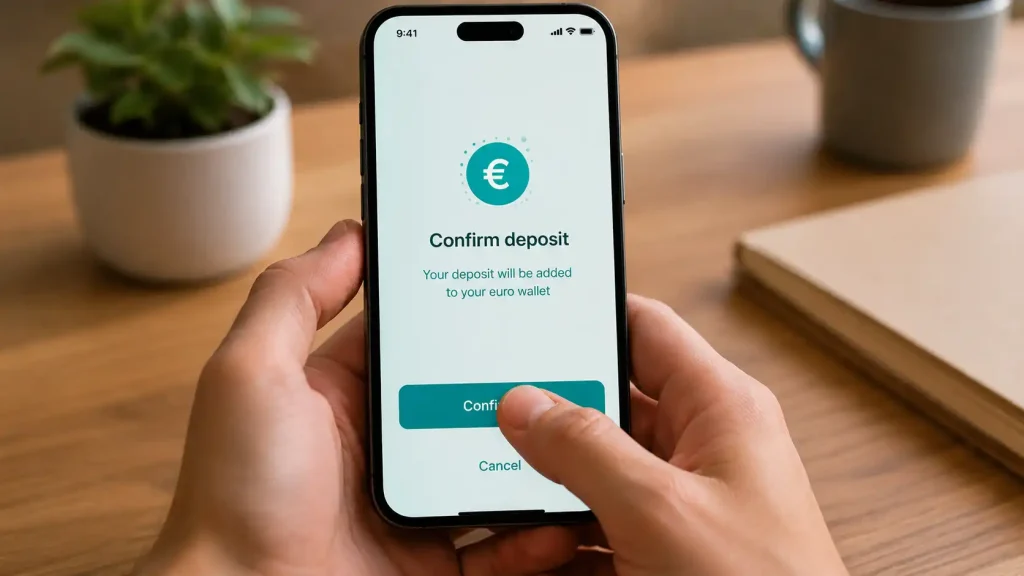
The wallet sets one currency as your primary, which is where conversions default to and where balances consolidate if you let them. Understanding which pocket a transaction will draw from is the whole skill, because the conversion margin only fires when the pocket and the casino currency disagree. A player who keeps a balance in each currency they actually use can route most transactions through a matching pocket and sidestep the margin entirely, which is exactly the dynamic explained in detail in the guide to Skrill currency conversion at UK casinos.
Recommended online casinos
- SlotoSportBonus: 500% up to £ 10 200+ 777 FS · Payout speed: 1-3 business days
- x3betBonus: Welcome Pack 100% Up to £1.000 + 200 Free Spins · Payout speed: 1-3 business days
- AmunbetBonus: Join now and get 450% up to 2,700 GBP + 450 FS · Payout speed: 1-3 business days
- WinBeastBonus: €5000 + 500 FS + €650 Freebet · Payout speed: 1-3 business days
- NightLuckBonus: Welcome Pack + 805% Up To 6400€ + 280 FS · Payout speed: 1-3 business days
- ZombillionBonus: Welcome Pack 250% up to £4000 + 200 FS · Payout speed: 1-3 business days
- DieselwinBonus: Welcome Pack 250% up to £4000 + 200 FS · Payout speed: 1-3 business days
The Cost Logic of Converting Less
The entire reason to bother with multiple currencies comes down to one principle: every conversion has a cost, so the fewer conversions you make, the more you keep. A multi-currency wallet is valuable only to the extent that it lets you convert less, and the savings are real for anyone who plays across currencies regularly.
Consider the alternative. A single-currency sterling wallet playing at a euro casino converts on every deposit and again on every withdrawal, paying the margin twice on each round trip of money. Over a month of regular play, those repeated margins add up to a quiet, recurring tax. The cross-currency context is growing, too: UK digital wallet spending reached 269 billion pounds in 2025, forecast to hit 453 billion by 2030, and a rising share of that activity crosses borders where conversion applies.
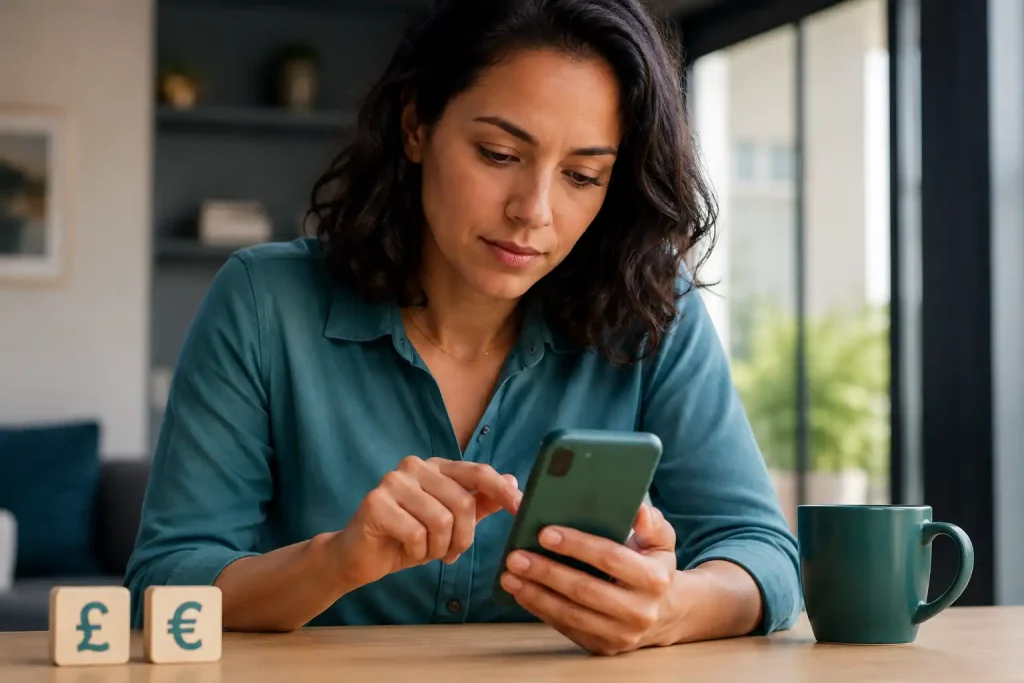
Now consider the multi-currency approach done well. By holding a euro balance and topping it up in a single, deliberate conversion when the rate suits you, then funding all your euro-casino play from that pocket, you convert once instead of dozens of times. The margin still applies to that one conversion, but not to every subsequent deposit and withdrawal, because those now stay within the matching currency. The saving is the difference between paying the margin once and paying it on every transaction, which for a frequent cross-currency player is substantial. The wallet does not eliminate conversion cost; it lets you concentrate it into the fewest possible events, which is the most anyone can do about a margin that is built into exchange itself.
Keeping Multi-Currency Simple
For all its usefulness, a multi-currency setup can become a source of confusion and even extra cost if you let it sprawl, so the closing discipline is to keep it deliberately simple. More pockets are not better; the right number of pockets is exactly as many as you actually use.
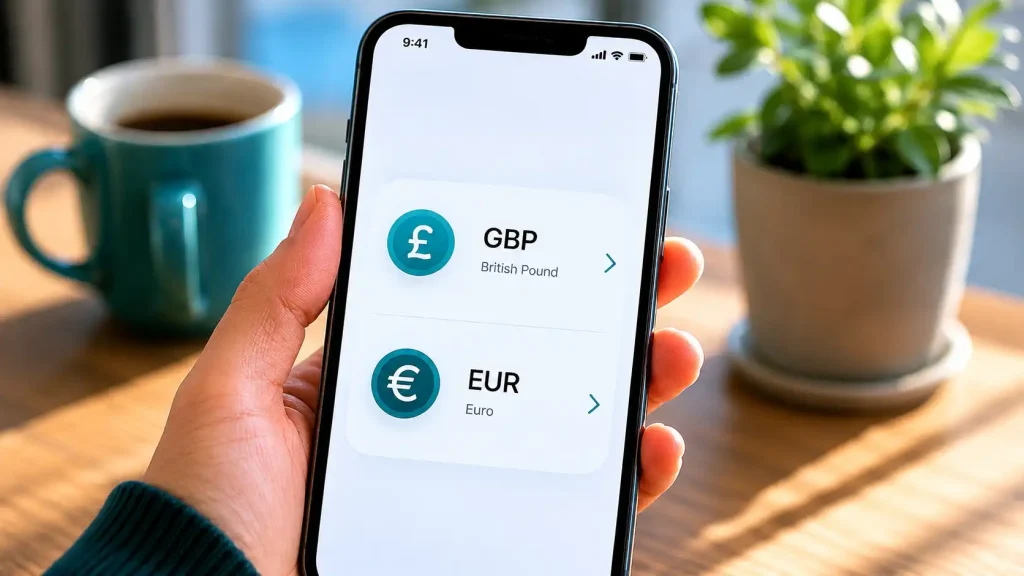
Hold only the currencies you genuinely play in. If you exclusively use sterling sites, hold sterling and nothing else, because an idle foreign balance does no work and a stray conversion into it just costs you the margin for no benefit. If you regularly play at euro sites, holding a euro pocket alongside your sterling one is worth it; if you played at one euro site once, it probably is not. Match your pockets to your actual habits, not to hypothetical future ones.
Then manage conversions on purpose rather than by accident. Decide when to top up a foreign pocket as a conscious transaction, ideally checking the rate first, and avoid letting the wallet auto-convert at random moments by understanding which currency each transaction will draw from. Watch the small print on holding and converting, since these are standard features of any multi-currency wallet rather than quirks of Skrill, and none should surprise a player who set things up deliberately. The goal is a wallet that holds exactly the currencies you use, converts only when you choose, and otherwise lets matched-currency play flow without margins. Kept that lean, multiple currencies are a quiet money-saver. Allowed to sprawl, they become one more thing to pay for, so simplicity is the whole point.
Can I hold both pounds and euros in one Skrill account?
Yes. Skrill is a multi-currency wallet, so you can hold balances in more than one currency at once, each in effect a separate pocket. Money received in a given currency lands in the matching pocket, and the wallet only converts when a transaction has to cross between pockets, which is what lets a cross-currency player avoid unnecessary margins.
Does holding multiple currencies save money on conversion?
It can, by letting you convert less often. Instead of paying a conversion margin on every deposit and withdrawal at a foreign-currency casino, you convert once into the right pocket and fund matched-currency play from there. The margin still applies to that single conversion, but not to the many transactions that follow, which is where the saving comes from.
Articles
Published by the Skrill Casino team.