
UK Skrill Casino Deposit Caps and Financial Limits
 Available in GB
UKGC Cashier Rules Impacting Skrill Casino Limits
A reader once told me he switched to Skrill specifically because he thought a wallet would let him sidestep the deposit controls his old card-funded casino kept nagging him about. He was in for a surprise. The 2025 rules do not care how you pay. They reach every funding method, the wallet included, and that is the first thing any Skrill player needs to understand about the current landscape.

The headline change is that since 31 October 2025, every UK operator must offer deposit-limit controls and prompt new customers to set a financial limit before their first deposit, while affordability checks now bite at a £150 threshold across any 30-day window rather than the old £500. These are not casino-by-casino quirks you can shop around. They are licence-wide requirements that apply to your account no matter what sits behind it, Skrill or otherwise.
So this article is not about how Skrill players escape the limits – they don’t – but about how the limits actually work when your funding runs through a wallet, what the £150 threshold means in practice, and how to use the controls deliberately rather than treating them as an obstacle the system threw in your way. Understanding the rules is what turns them from friction into a tool you control.
Alongside the new mandatory deposit caps, players should actively use responsible gambling tools for Skrill users to maintain complete control over their gaming budget.
The 31 October 2025 Deposit-Limit Rule
Let me anchor the date, because it changed the default for everyone. From 31 October 2025, a UK casino can no longer wait for you to ask about limits – it must put the option in front of you before you fund the account at all. The choice is now opt-out rather than opt-in, and that reversal is the whole substance of the rule.
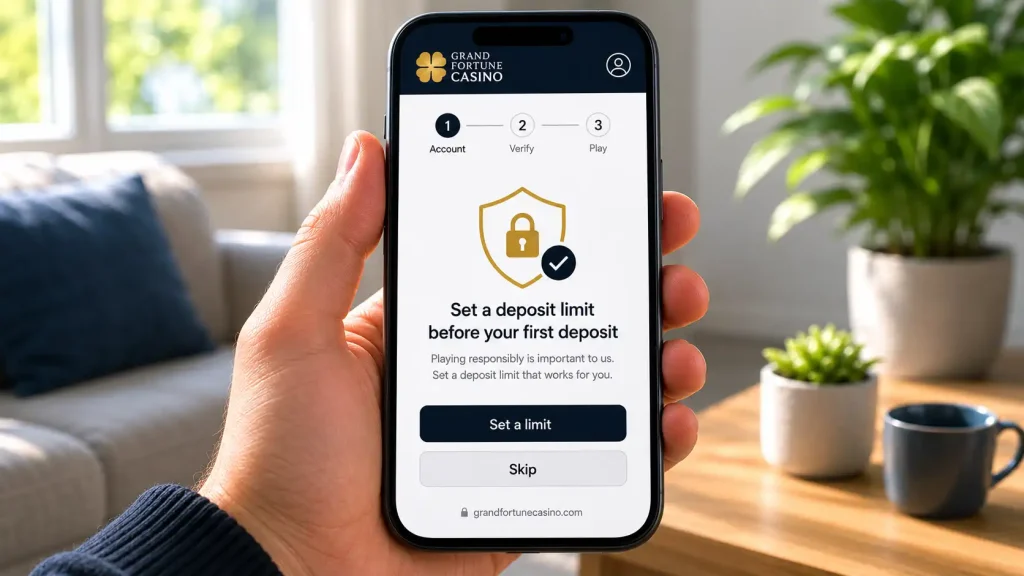
In practice it means that when you open a new account, the operator is required to prompt you to set a deposit limit before your first deposit lands. You can decline, but the prompt is mandatory, so the decision is now an active one you make rather than a setting buried where you would never find it. Andrew Rhodes, who runs the Gambling Commission, framed the change as giving players “consumer controls over deposit limits”, with every gambling business obliged to prompt customers to set a financial limit before that first deposit. The intent is to make a moment of reflection unavoidable at exactly the point where it does the most good.
For a Skrill player, nothing about this is wallet-specific in the way people expect. The limit attaches to your casino account and governs how much you can deposit into it over your chosen period, regardless of whether that money arrives by wallet, card, or bank. A common misconception is that paying by Skrill somehow routes around the cap. It does not. The cap sits at the casino, on the account, on the inbound money – and Skrill is simply one of the pipes that money flows through.
The practical upshot is that the prompt is now part of the joining ritual at every compliant site. Treat it as a genuine decision rather than a box to dismiss, and you have used the rule for what it was designed to do. The controls pair naturally with the wider set of safer-gambling features explored in the guide to responsible gambling tools for Skrill casino users.
The £150 Vulnerability Threshold
Here is the change that catches high-depositing players off guard, because it moved a line most of them never knew was there. The threshold at which affordability checks kick in dropped from £500 to £150 across any 30-day window, and £150 is a number a great many casual players cross without thinking.
An affordability check is the operator’s process for confirming that the amount you are depositing is consistent with what you can reasonably afford to lose. Under the old £500 line, only relatively heavy depositors triggered it. At £150 over 30 days, the net is far wider – a player putting £40 in a few times a month now sits in territory that may prompt the operator to look more closely. That is a deliberate broadening of the safety net, and it applies to Skrill-funded accounts exactly as it does to any other.

The context behind the lower threshold is a payments market where wallets are now mainstream rather than fringe: around one in five UK cardholders runs more than half their transactions through a digital wallet. As wallet funding has become normal, the regulator has tightened the checks that govern all funding, so the convenience of paying by Skrill does not, and was never going to, come with a lighter compliance touch. If anything, the smoother the funding, the more the framework leans on these checks to keep play affordable.
What this means for you is that crossing £150 in a month may surface a request for information or a soft check, and that request is the system working rather than malfunctioning. A deposit that stalls because you have crossed the threshold is not a payment fault to troubleshoot – it is an affordability process you can clear by engaging with it, which is a very different and far less frustrating thing to understand.
Setting Your Own Skrill-Funded Limits
The best way to relate to all of this is to stop letting the rules act on you and start acting through them. A deposit limit you set yourself is not the regulator restraining you – it is you restraining your future, more impulsive self, and that is a genuinely powerful piece of self-management.
All operators featured on our UK Skrill casino portal strictly adhere to the latest UKGC compliance regulations regarding affordability.
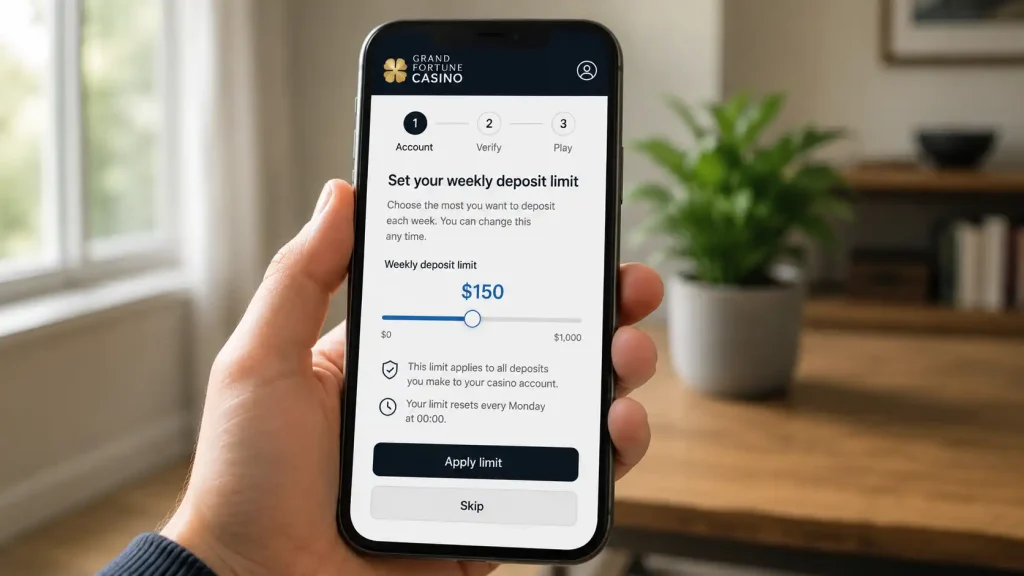
You can set a deposit limit at the casino over a daily, weekly, or monthly window, capping how much can flow into the account in that period whatever the funding source. Because your Skrill deposits count toward the same cap as any other method, the limit gives you a single, clean ceiling on your casino spend that the wallet’s frictionless funding can never quietly overrun. For a player who values how fast Skrill deposits clear, a self-imposed cap is the perfect counterweight to that very speed.
The scale of the market is a reminder of why personal limits matter: average monthly active online accounts climbed roughly 10 per cent to 12.7 million in the first quarter of the 2025/26 year, a vast population for whom small, consistent controls add up to real protection. Setting a limit you can actually live with, reviewing it occasionally, and resisting the urge to raise it in the heat of a session is, in my experience, the single most effective habit a wallet-funded player can build.
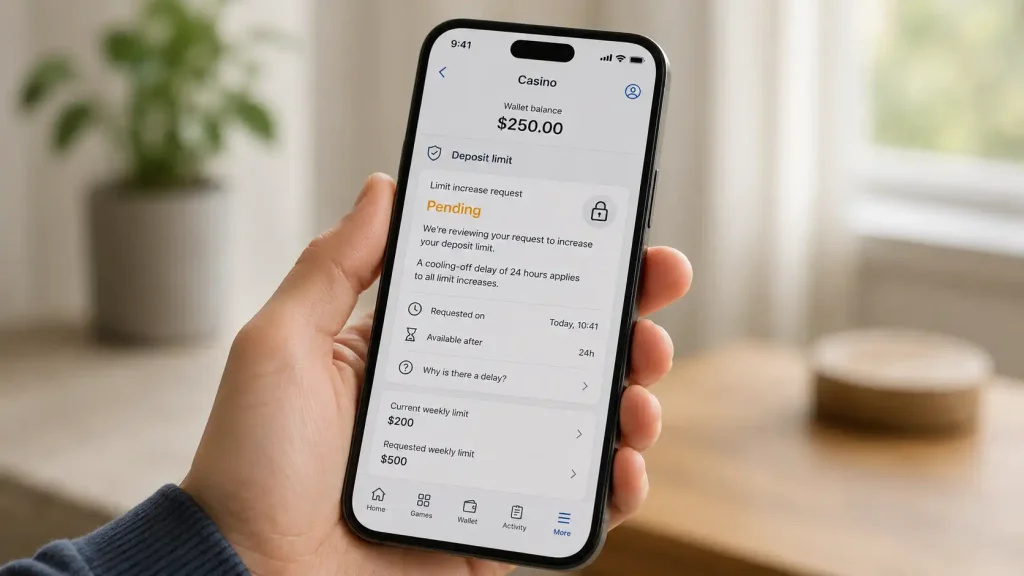
One detail worth internalising about how limits move: tightening a limit usually takes effect quickly, while loosening one is deliberately slowed by a cooling-off delay. That asymmetry is not an accident – it lets you rein yourself in immediately but stops you from undoing that decision on impulse. Use it. The fast lane runs toward restraint, and the slow lane runs toward spending more, which is exactly the right way round.
Does the deposit limit apply per casino or across all my accounts?
A deposit limit you set applies to the individual casino account where you set it, governing all funding into that account including Skrill deposits. It does not automatically span every operator you use, so a player with multiple accounts sets limits at each. The affordability threshold, by contrast, is assessed per operator against your activity there over a rolling 30-day window.
Can I raise my limit instantly?
No. Lowering a deposit limit typically takes effect quickly, but raising it is subject to a cooling-off delay by design, so you cannot loosen a cap on impulse mid-session. Tightening runs fast and loosening runs slow, which is deliberately built to protect the decision you made when you were thinking clearly.
Articles
Prepared by the Skrill Casino editorial staff.