
Using Skrill Prepaid Mastercard at UK Casino Cashiers
 Available in GB
Skrill Prepaid Card vs Standard E-Wallet Processing
Most players never realise the Skrill prepaid card and a Skrill wallet transfer are two completely different animals until a casino treats them differently at the cashier. I learned the distinction the slow way, watching a reader’s deposit qualify for an offer one week and get neutralised the next, purely because he had switched from paying by wallet to paying by card without changing anything else. The card is not the wallet wearing a disguise. It is a separate payment rail that happens to draw on the same balance.
Here is the mental model I use. Your Skrill wallet is the bank vault. The Skrill prepaid Mastercard is a key that lets a casino’s card terminal reach into that vault as if you were tapping an ordinary debit card. The money is identical, but the route is not, and routes are what payment systems actually read. Skrill issues this prepaid Mastercard in 30 countries, sitting alongside a wallet network that spans more than 135, which tells you the card is a deliberate add-on for players who want a physical or virtual card sitting on top of the wallet they already trust.
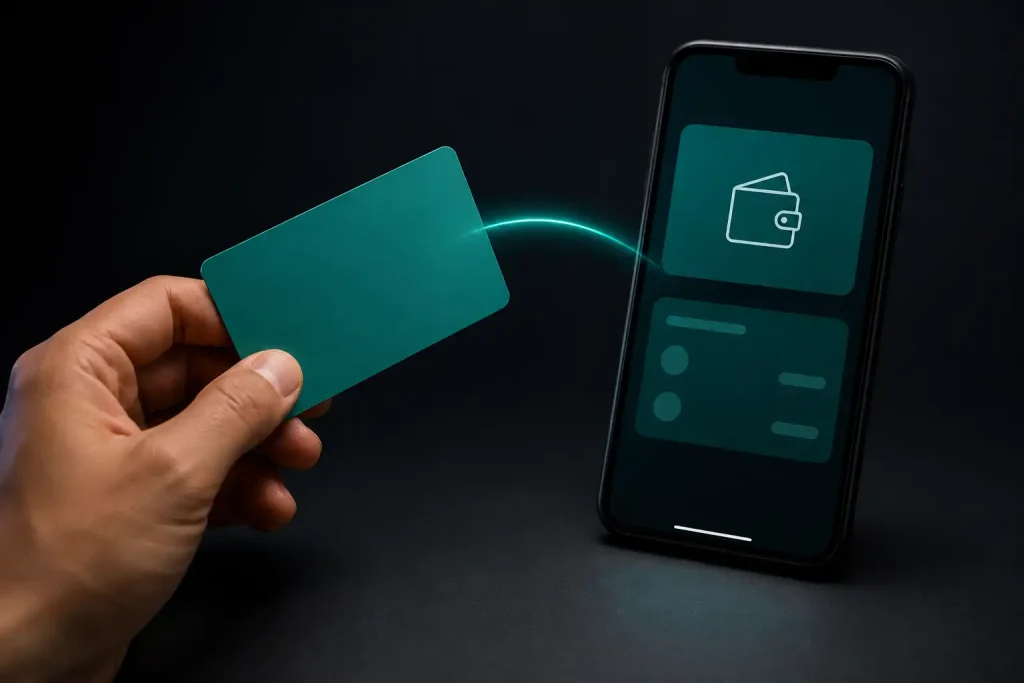
For a UK casino player, the card fills a specific gap: it lets you spend a Skrill balance anywhere that accepts Mastercard, including casinos that list card payments but not the Skrill wallet itself. That is genuinely useful. It is also the source of nearly every misunderstanding I get asked about, so let me show you the plumbing.
How the Card Pulls From Your Wallet
Think of the card as a straw, not a tank. It holds nothing of its own. Every time you spend, it reaches back into your Skrill wallet and pulls the exact amount out in real time, which is why you can never overspend and why the card balance and the wallet balance are, in practice, the same number.
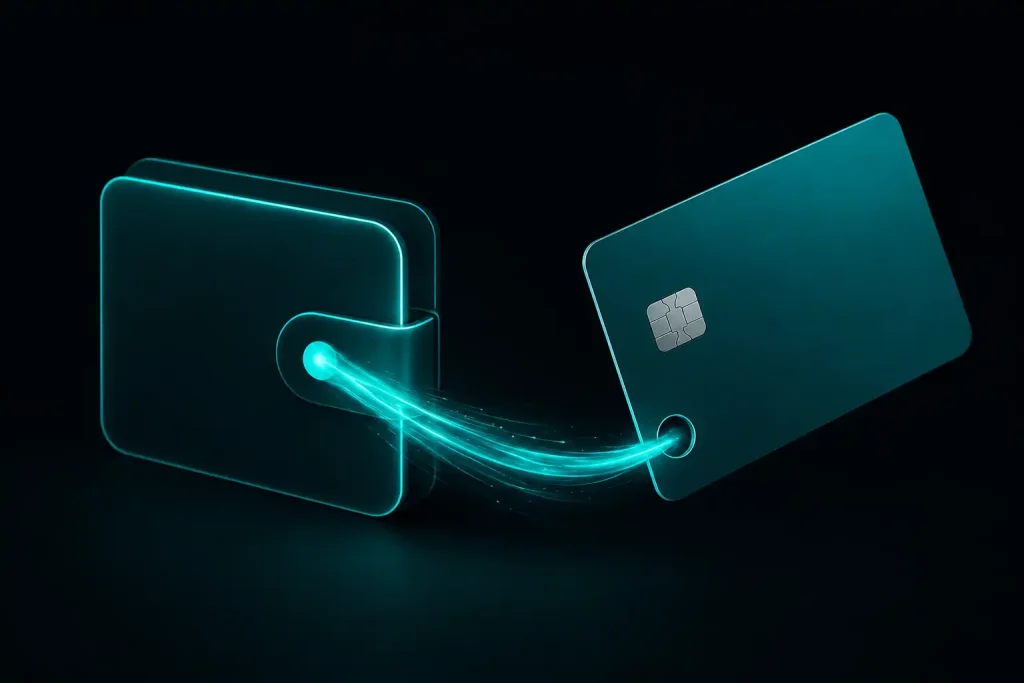
When you load funds into Skrill — by bank transfer, by another card, or from winnings paid back into the wallet — that balance becomes available to the prepaid card automatically. There is no separate top-up step for the card itself. Tap or enter the card details at a casino, and the transaction authorises against the live wallet balance. If the wallet is empty, the card is declined, full stop. That single fact prevents the classic prepaid-card trap of carrying a stale balance you forgot to reload.
The virtual version of the card matters more than the plastic for online play. A virtual Skrill card gives you a 16-digit number, expiry and security code you can paste into a cashier exactly like a normal debit card, which means you never need the physical card in your hand to deposit at a casino. For players who want the card-rail benefits without waiting for post, the virtual card is the practical default.
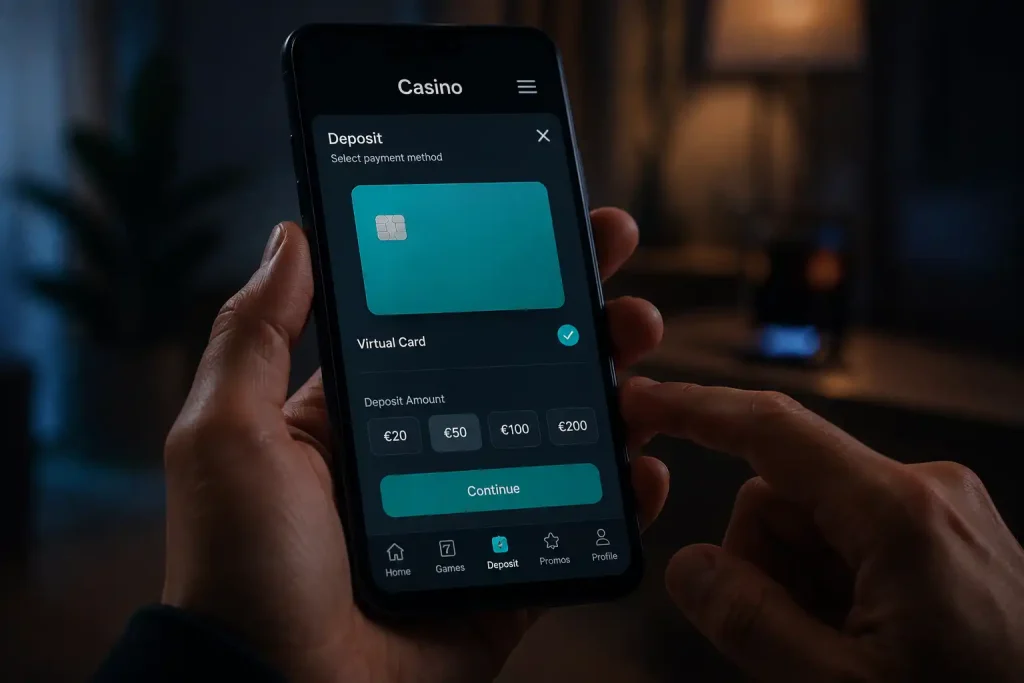
One behaviour worth flagging: because the card reads as a Mastercard, the casino’s system processes it through its card-acquiring path, with all the checks and timings that path carries. That is usually fine, but it is a different pipeline from the wallet integration, and pipelines fail for different reasons. When a card-rail deposit stalls, the fixes are not the same as for a wallet deposit, which is why I keep a separate troubleshooting routine for each. If your card payment keeps bouncing, the causes behind a declined Skrill deposit are worth reading before you blame the casino.
Depositing as a Card vs a Wallet
This is the bit that costs people money, so slow down here. The same pound, sent two ways, can land you in two completely different bonus situations — and the wallet route is the one that more often gets you locked out.

Across UK gambling, debit cards remain the single most popular way to fund an account, sitting at 48 per cent versus 42 per cent globally, partly because credit cards were banned for iGaming back in April 2020 and pushed players onto debit and wallets. The Skrill prepaid card slots neatly into that debit-card habit. To the casino’s cashier, a Skrill card deposit looks like a card deposit, because mechanically it is one. To the same casino’s bonus engine, a Skrill wallet deposit often looks like an e-wallet deposit, which many operators exclude from welcome offers.
That distinction creates a genuine, if narrow, opportunity. A deposit made with the Skrill card can sometimes qualify for promotions that the Skrill wallet transfer would not, simply because it travels the card rail. I want to be precise rather than promotional about this: it depends entirely on how the individual operator codes its terms, and plenty of casinos have closed the loophole by excluding “card products linked to e-wallets” in the small print. So the card is a tool for funding flexibility, not a guaranteed bonus hack.
The flip side is verification and tracking. Because the card pulls from the wallet, your Skrill transaction history still records the underlying movement, so you keep the same clean audit trail you would get from a wallet deposit. You gain card-rail acceptance without losing the record-keeping that makes a wallet so easy to reconcile. That combination is, for me, the strongest argument for carrying one at all.
Card Fees and Who Can Get One
Let me answer the two questions I always get asked in the same breath: what does this card cost, and can I even get one? The honest version is that the card is cheap to use and easy to obtain, but it carries one charge that bites in a specific situation most people never think about until it has already happened.
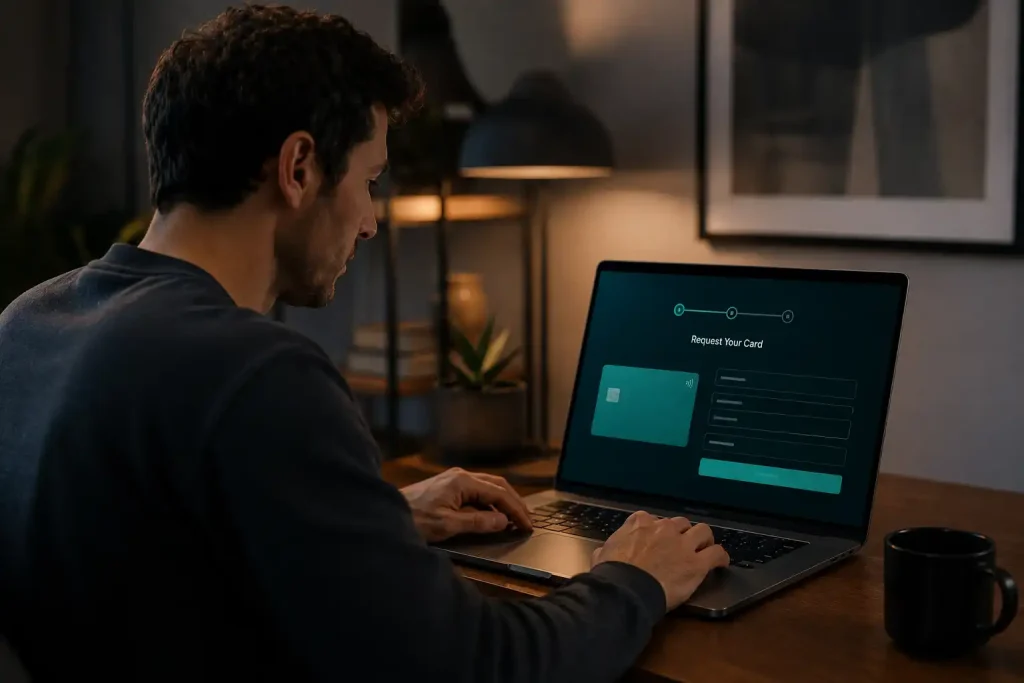
Eligibility first. The prepaid card is tied to a verified Skrill account, so the path is: open the wallet, complete identity verification, then request the card. UK residents with a fully verified account can apply, and the virtual card is typically available almost immediately, while the physical card arrives by post. There is no credit check, because there is no credit — the card only ever spends money already in your wallet.
On fees, the charge to watch is the same one that shadows the wallet: moving money out of Skrill onto a card carries a typical 1.99 per cent fee. With the prepaid card the relevant scenario is withdrawing casino winnings back to the wallet and then sending them onward to an external card, where that 1.99 per cent can apply. Spending the card at a casino, by contrast, does not trigger that withdrawal fee, because you are pushing money out to a merchant rather than cashing it back to plastic. The practical lesson is to keep funds inside the Skrill ecosystem while you are playing and only pay the conversion cost when you genuinely need money on an external card.
There are minor housekeeping fees to be aware of too, such as currency conversion when you spend in a currency your wallet doesn’t hold, and the usual small print around inactivity. None of these are unusual for a prepaid card, and none of them should surprise a player who funds and spends in sterling at UK casinos. Keep the loop domestic and the card is one of the cleaner ways to turn a wallet balance into card-rail spending.
Does a casino see a Skrill card deposit as a card or a wallet?
As a card. The prepaid Mastercard travels the casino"s card-acquiring rail, so the cashier and the bonus engine read it as a card deposit even though the money comes from your Skrill wallet. That is different from a direct Skrill wallet transfer, which many systems classify as an e-wallet payment.
Can the Skrill card unlock bonuses the wallet can"t?
Sometimes, because the card deposit is processed as a card rather than an e-wallet, and many welcome offers exclude e-wallets specifically. It is not guaranteed. A growing number of operators now exclude card products linked to wallets in their terms, so always read the eligibility clause before assuming the card route qualifies.
Articles
Published by the Skrill Casino team.