
Resolving Declined Skrill Casino Cashier Transactions
 Available in GB
Skrill Casino Deposit Failures and Block Triggers
A declined deposit feels like a brick wall, but it is almost always a closed gate with a key sitting right next to it. In the years I have spent reading payment logs, I have watched players abandon a casino entirely over a decline that a 30-second fix would have cleared. The error message tells you something failed; it rarely tells you what, and the casino’s wording is usually vaguer than the truth.
Start with the right frame: a declined Skrill deposit is a refusal somewhere along a chain, and the chain has three links. There is your Skrill wallet, there is the casino’s cashier, and there is the bridge between them. The refusal can come from any one of the three, and they fail for entirely separate reasons. Most players assume the casino said no. In my experience the wallet or the bridge is the culprit at least as often.

It helps to remember how mobile-heavy this all is. Around 74 per cent of all Skrill transactions now happen on mobile, and app usage has been climbing roughly 38 per cent, which means the typical decline is happening on a phone, in an app or a mobile browser, with all the session and connection quirks that environment adds. That single fact reframes a lot of “the casino blocked me” complaints as something far more mundane — and far more fixable.
The Most Common Decline Triggers
Let me list the suspects in the order I actually encounter them, because the order matters. People instinctively reach for the most dramatic explanation when the boring one is sitting at the top of the list.
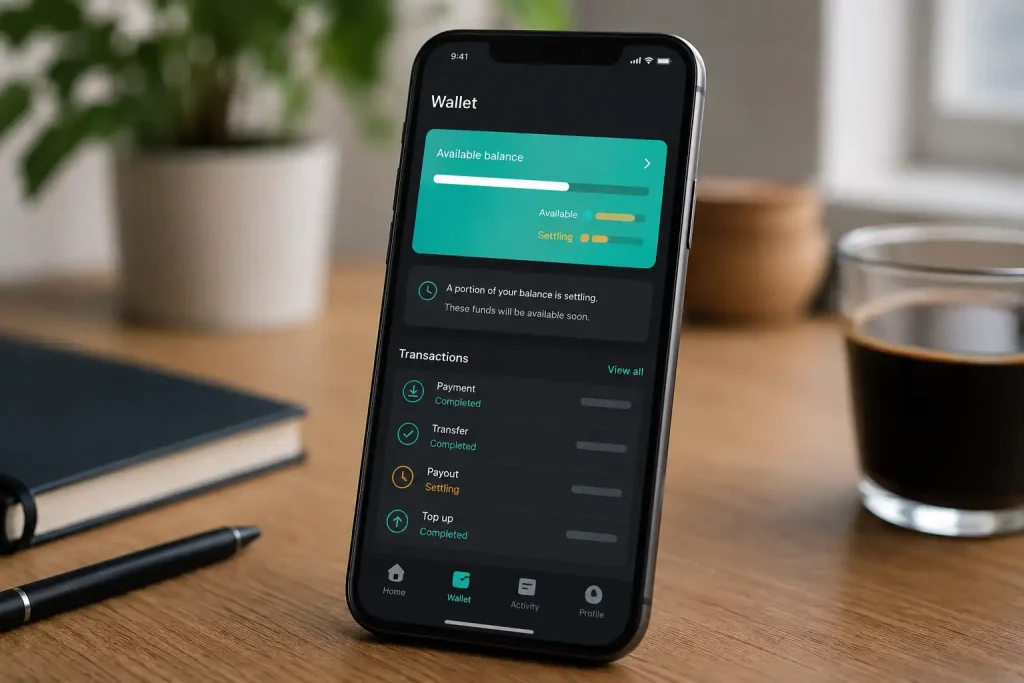
Insufficient cleared balance is the number one cause, and it is sneakier than it sounds. A Skrill balance can show funds that are still settling from a recent top-up, so the wallet says you have money while the available-to-spend figure is lower. The casino asks for the full deposit, the wallet can only honour the cleared portion, and the transaction bounces. No block, no fraud flag — just timing.
Verification gaps come second. If your Skrill account is unverified or sitting at a lower limit tier, the wallet will refuse transactions above that tier, and casinos often push you past it on the first deposit. The decline reads like a casino rejection but originates entirely inside Skrill.
Third is the currency and limit mismatch. If the casino settles in a currency your wallet cannot fund without conversion, or if the deposit sits outside the casino’s own minimum or maximum, the cashier rejects it before Skrill is ever asked. Fourth, and increasingly common, are responsible-gambling controls — a deposit limit you set and forgot, a cooling-off flag, or an affordability hold the operator has applied. Fifth are the technical gremlins: an expired or cached login session, an app that needs updating, a browser blocking the payment pop-up, or a flaky mobile connection dropping the handshake mid-authorisation.
The reason I rank them this way is that the fixes get progressively more involved as you go down the list. If you start at the bottom, troubleshooting the network when the real problem is a £20 cleared-balance shortfall, you will burn an evening on the wrong link in the chain.
Fixing Each Cause, in Order
Here is the routine I run, and I run it in this exact sequence every single time, because the sequence is the whole point. Skipping ahead is how people waste hours.
First, check the available balance, not the headline balance, inside Skrill and confirm it covers the deposit plus any conversion. If a recent top-up is still settling, wait for it to clear rather than retrying, because repeated retries can themselves trigger a temporary block. Second, open your Skrill account status and confirm verification is complete and your limit tier is high enough for the amount; if it is not, finish verification before you touch the cashier again.

Third, match the currency. Make sure the casino accepts a deposit in the currency your wallet holds, ideally sterling at a sterling casino, so no conversion is needed and the limit logic stays clean. Fourth, review your own controls — check whether a deposit limit, time-out, or affordability flag is in play, because these are designed to refuse you and no amount of retrying will override them. Fifth, and only fifth, fix the technical layer: log out and back into both Skrill and the casino, update the app, switch from app to browser or vice versa, clear the session, and confirm you are on a stable connection before reattempting.
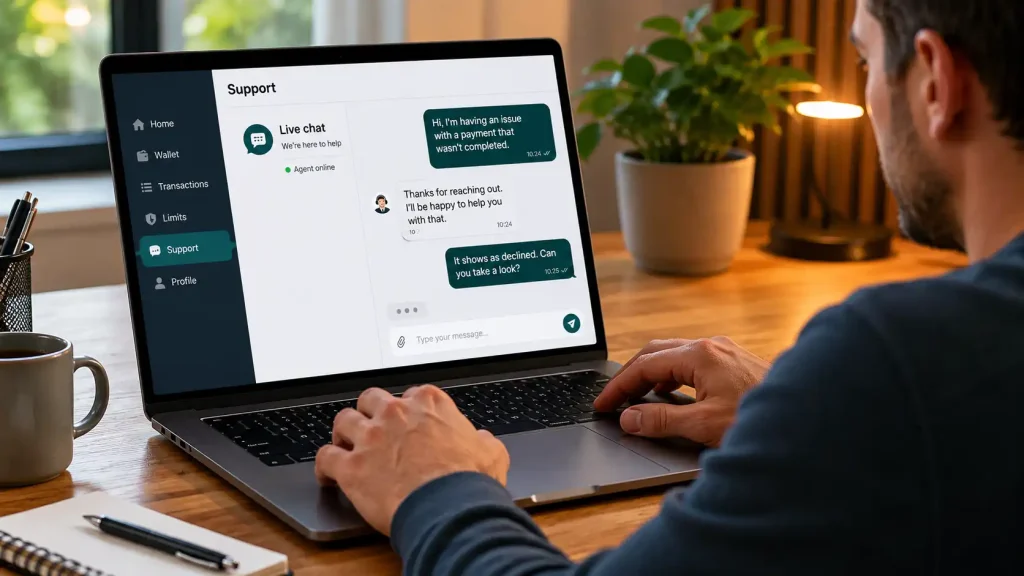
If all five pass and the deposit still fails, that is the moment to contact support — and crucially, contact the right one. A wallet-side refusal needs Skrill’s team; a cashier-side refusal needs the casino’s. Telling them which link in the chain you have already cleared will get you to a resolution far faster than “my deposit won’t work”. For the full mechanics of how a healthy Skrill deposit is supposed to flow in the first place, the walkthrough of depositing with Skrill at UK casinos is the reference I point people to.
Stopping Declines Before They Happen
The best decline is the one that never fires, and after enough of these I can usually predict a bounce before it happens. Prevention is mostly about keeping your wallet and your limits in a state where the casino never has a reason to say no.
Keep a small cleared buffer in your Skrill wallet above whatever you plan to deposit, so a still-settling top-up never strands you mid-transaction. Complete full verification once, properly, so you are never caught at a limit tier on the night you actually want to play. And fund and play in a single currency wherever you can, because every conversion is another place the deposit can trip.
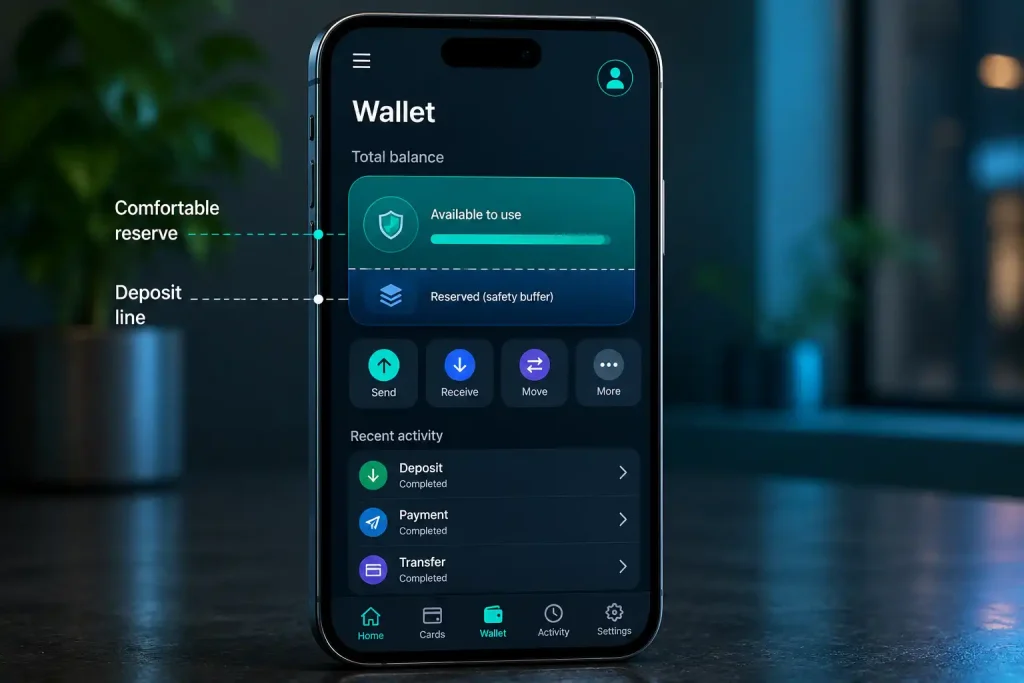
The limit layer deserves its own attention now, because the rules tightened in 2025. From 31 October 2025 every UK operator must offer you the ability to set a deposit limit, and the threshold at which financial-vulnerability checks kick in dropped sharply from £500 to £150 across any 30-day window. That is a genuine, structural reason a deposit can be refused that did not exist a couple of years ago. If you breach a limit you set, or cross the affordability threshold, the decline is the system working as intended, not malfunctioning. Knowing your own limits and where the affordability line now sits turns a baffling rejection into something you saw coming.
My standing advice is to treat your deposit settings as part of your routine rather than something you configure once and forget. Players who know their limits, keep a clean cleared balance, and stay verified almost never see a decline that isn’t a deliberate control doing its job. Everyone else spends evenings retrying a transaction the system was always going to refuse.
Does a declined Skrill deposit still charge a fee?
No. A deposit that is refused never completes, so no money moves and no fee applies. If you see a pending charge that later disappears, that is an authorisation hold reversing, not a fee. Genuine charges only attach to transactions that actually settle.
Can a deposit limit cause a Skrill decline?
Yes, and it is increasingly common. Since 31 October 2025 operators must let you set deposit limits, and crossing one will refuse the transaction by design. An affordability flag, now triggered at a £150 monthly threshold rather than the old £500, can do the same. These declines are the controls working, not a payment fault.
Articles
Published by the Skrill Casino team.