
Slot Stake Restrictions for UK Skrill Casino Sites
 Available in GB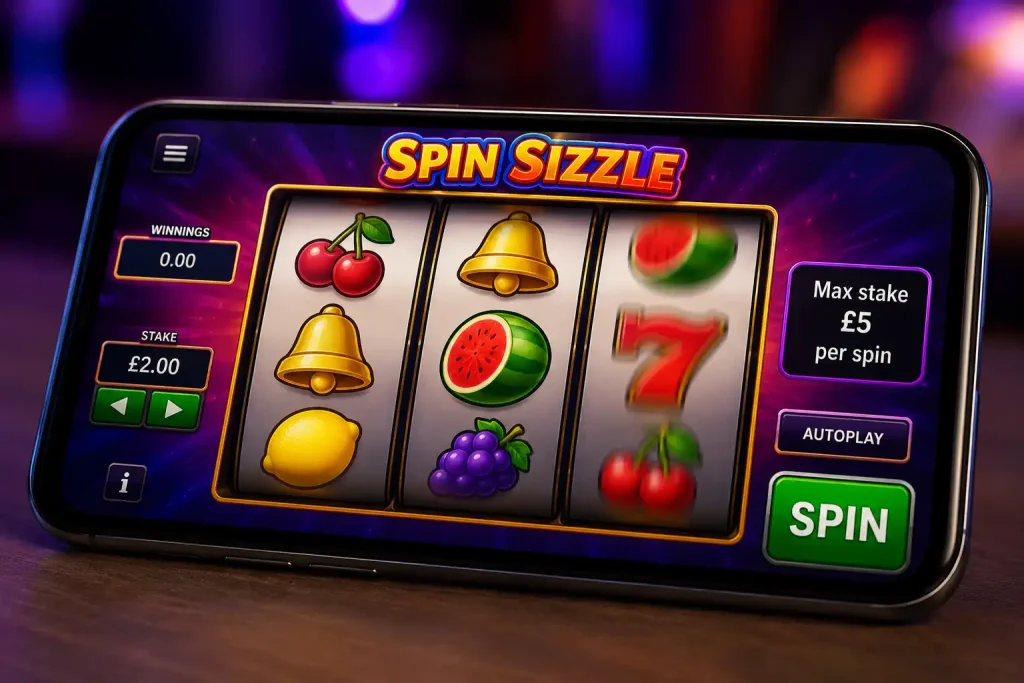
UKGC Max Stake Rules Impacting Skrill Slot Play
For years, the ceiling on a single online slot spin in Britain was effectively whatever the game allowed. Then, almost overnight, it became a hard cap, and the way people play slots started to change. If you fund your play through Skrill, you might assume a wallet keeps you above the fray. It does not – the limit is on the spin, not the payment method, and that is the whole point of where it bites.
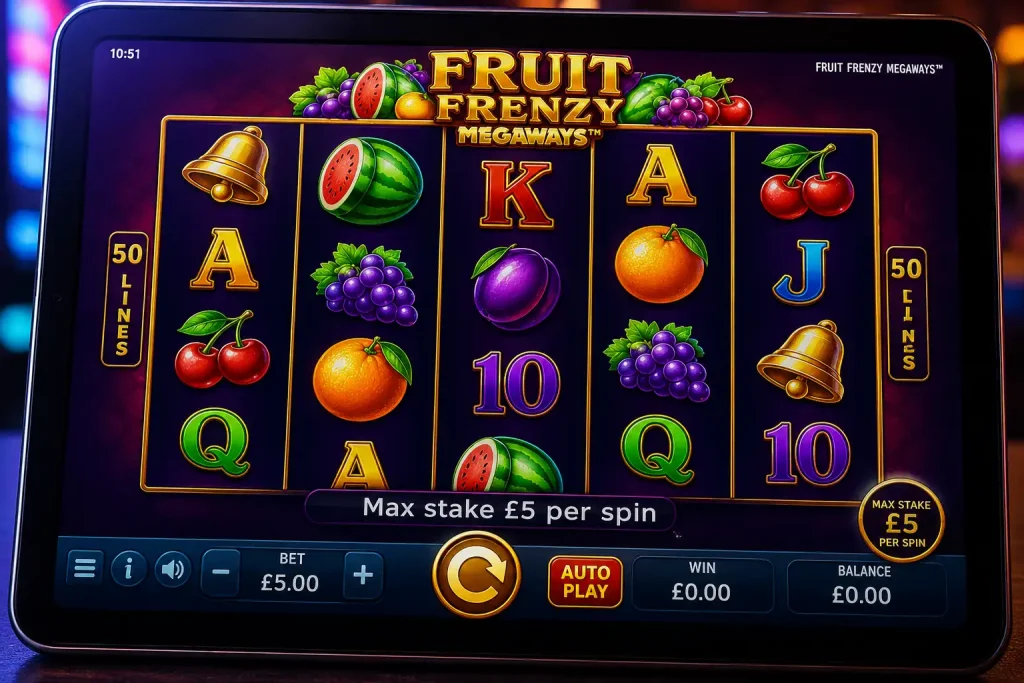
The rule arrived in two stages. From 9 April 2025, a £5 maximum stake per spin applied to online slots for all adults, and from 21 May 2025, a tighter £2 cap took effect for players aged 18 to 24. These are statutory limits, set in law, and they apply at the moment of the spin regardless of how the account was funded. A Skrill deposit buys you exactly the same £5 ceiling as a card deposit or a bank transfer.
What that means in practice is a genuine reshaping of how a slot session unfolds – slower bleeds of a balance, more spins for the same money, and a different rhythm to a night’s play. This article is about how the limits work, what the data already shows about their effect, and the specific reasons a wallet-funded player experiences them a little differently from everyone else.
The £5 and £2 Rules in Detail
Let me pin down the two numbers, because the gap between them is doing something deliberate. £5 for adults and £2 for the youngest players is not a rounding choice – it reflects a regulator targeting the group it judges most at risk with the tighter cap.
The £5 limit caps the maximum you can stake on a single online slot spin if you are an adult. The £2 limit applies the same logic but at a lower ceiling for players aged 18 to 24, a cohort the evidence singles out for additional protection. The reasoning behind the split is right there in the harm data: 52 per cent of players staking above £2 and up to £5 were found to be in the group at greatest risk of harm. In other words, the very band between the two limits is where a large share of the most vulnerable players were operating, which is precisely why the younger cohort was pulled below it.
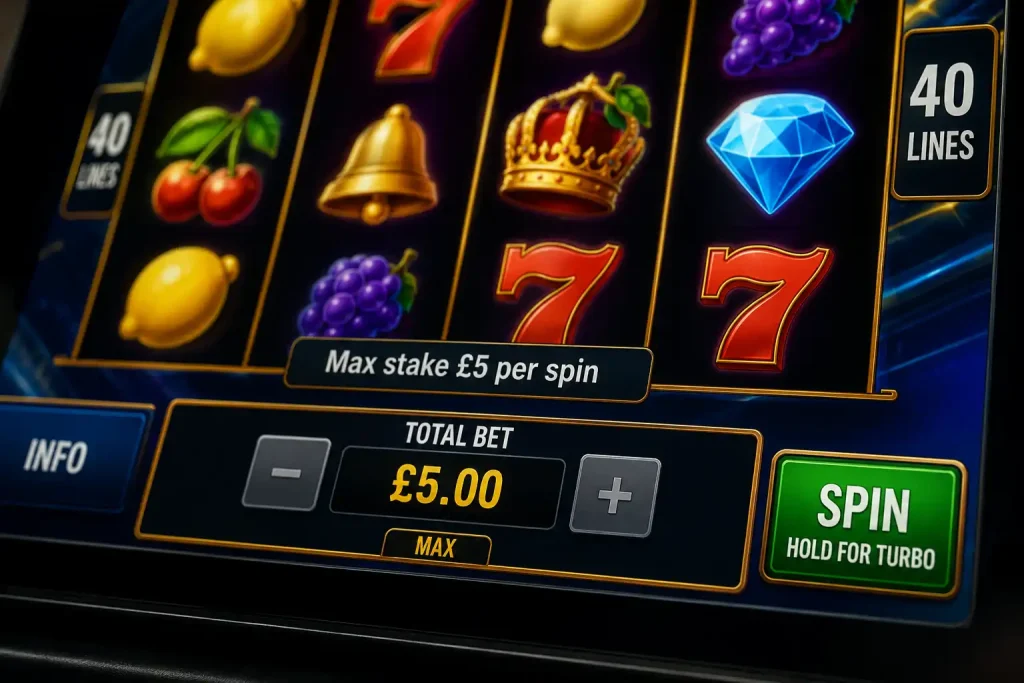
The parliamentary debate around the limit made the intent explicit. A peer summarising the case described the £5 cap as “a targeted intervention to protect those most at risk”, grounding it in evidence that higher stakes correlate with greater harm. That framing matters because it tells you the limits are not a blunt anti-gambling gesture; they are aimed at the specific staking behaviour most strongly linked to people getting hurt.
For a Skrill player, none of this offers an exemption. The limit lives on the spin, enforced by the game and the operator, and the wallet you funded with is irrelevant to it. The only way the payment method enters the picture at all is in how a frictionless wallet interacts with a capped game – which is the genuinely interesting part, and where I am headed shortly. First, what has actually happened since the rules landed.
What the Data Shows Since the Limit
The fascinating thing about a rule this big is watching the numbers move in real time, and the early data tells a more nuanced story than either side of the debate predicted. The limit is changing how people play without, so far, shrinking the market the way some feared.
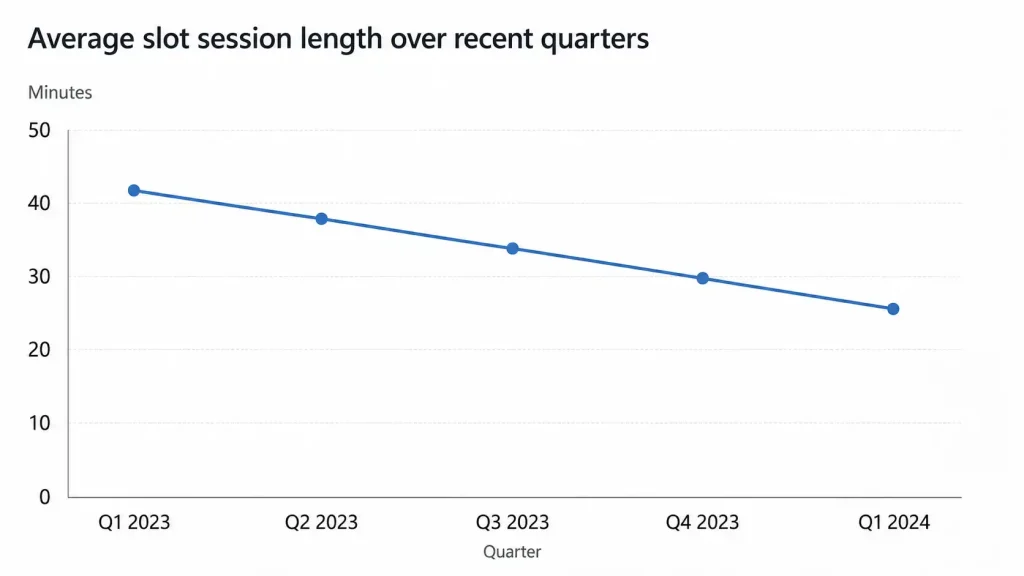
The behavioural shift is real and measurable. In the third quarter of the 2025/26 year, online slot sessions lasting longer than an hour fell 16 per cent to 8.9 million, and the average session shortened by two minutes to 16 minutes. Players are spending less time in the long, grinding sessions most associated with harm – exactly the outcome the policy was reaching for. The cap on stake size appears to be translating into shorter, less intense sessions rather than simply more spins at the same intensity.
Yet the market has not contracted. In that same third quarter, online slots gross gambling yield actually rose 10 per cent to £788 million, and the number of spins climbed 7 per cent to 25.7 billion. Lower stakes per spin, more spins overall, more total revenue – the activity has redistributed rather than disappeared. That combination is the headline finding so far: the limit reshaped the pattern of play far more than it dented the volume of it.
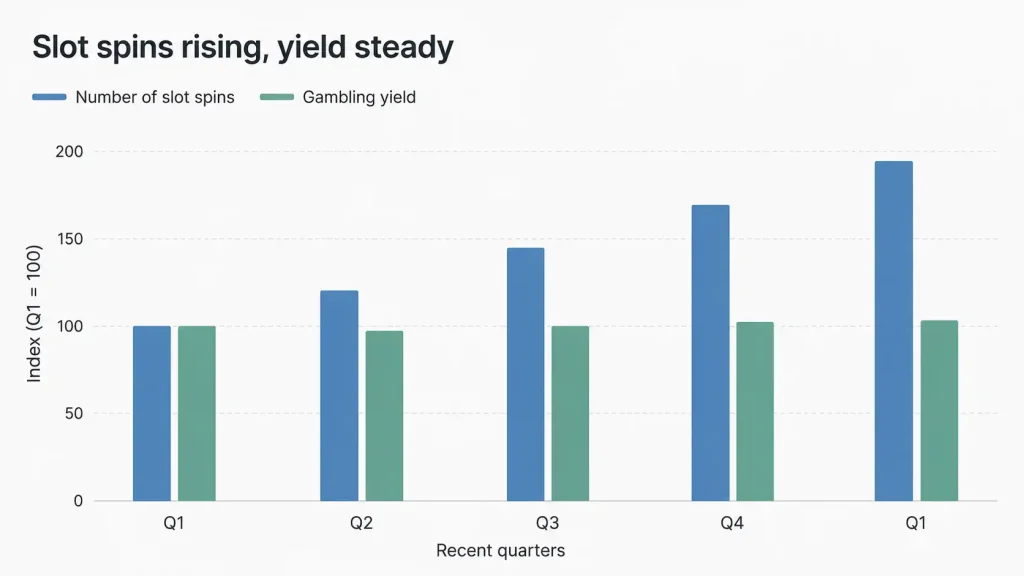
For an individual player the implication is straightforward. The £5 cap will not stop you playing for as long as you like; it changes how fast a given balance moves and nudges sessions shorter. Whether that is a constraint or a comfort depends entirely on the player you are.
Why Wallet Users Feel It Differently
So why does a Skrill player experience all this with a slightly different texture? It comes down to the interaction between a slower-burning game and a faster-flowing payment method, and that interaction cuts in a specific direction.
The slot stake limit slows the rate at which a balance depletes. The average slot stake sits at around 60 pence, and online slots account for more than 70 per cent of single-product sessions lasting over three hours, so these are games built for long engagement at small per-spin amounts. Cap the maximum stake and you stretch a given balance further – the same £100 now lasts more spins than it would have at higher stakes.

Here is where the wallet angle bites. A balance that lasts longer means more time in the session, and a frictionless wallet makes the top-up at the end of that session effortless. For a Skrill user, the limit can paradoxically extend a sitting – more spins, more time at the screen – while the wallet stands ready to refill the moment the balance finally runs dry. The capped stake does its protective work on intensity, but the easy redeposit can quietly undo some of it on duration if you let it.
The practical response is to pair the spin limit with a deposit limit you control, so the game caps the per-spin damage and your own settings cap the total exposure. That pairing is the heart of the matter, and the mechanics of setting it up live in the guide to Skrill casino deposit limits under the 2025 UK rules. The stake limit handles the spin. The deposit limit handles the session. Together they cover the gap that a fast wallet would otherwise leave open.
Does the £5 limit change how much I should deposit via Skrill?
The stake limit caps each spin, not your deposit, so your balance now lasts more spins at a lower per-spin stake. That can extend a session, which is why pairing the spin cap with a self-set deposit limit makes sense. The wallet does not change the £5 ceiling, but how much you choose to fund it with is still entirely yours to control.
Do the limits apply to live casino as well as slots?
The £5 and £2 statutory stake limits target online slots specifically, as slots are the product most strongly linked to harm. Live dealer games sit under different rules and operator-set limits rather than the statutory slot cap. So the per-spin ceiling you meet on slots will not be the same structure you encounter at a live table.
Articles
Prepared by the Skrill Casino editorial staff.