
What UK Gambling Data Reveals About Skrill Players
 Available in GB
Reading the Player Through the Numbers
Britain now measures its gambling more carefully than almost any country on earth, and buried in that mountain of official data is a surprisingly clear portrait of the player who reaches for a wallet. Most players never look, which is a shame, because the numbers explain things about your own habits and risks that no marketing page ever will.
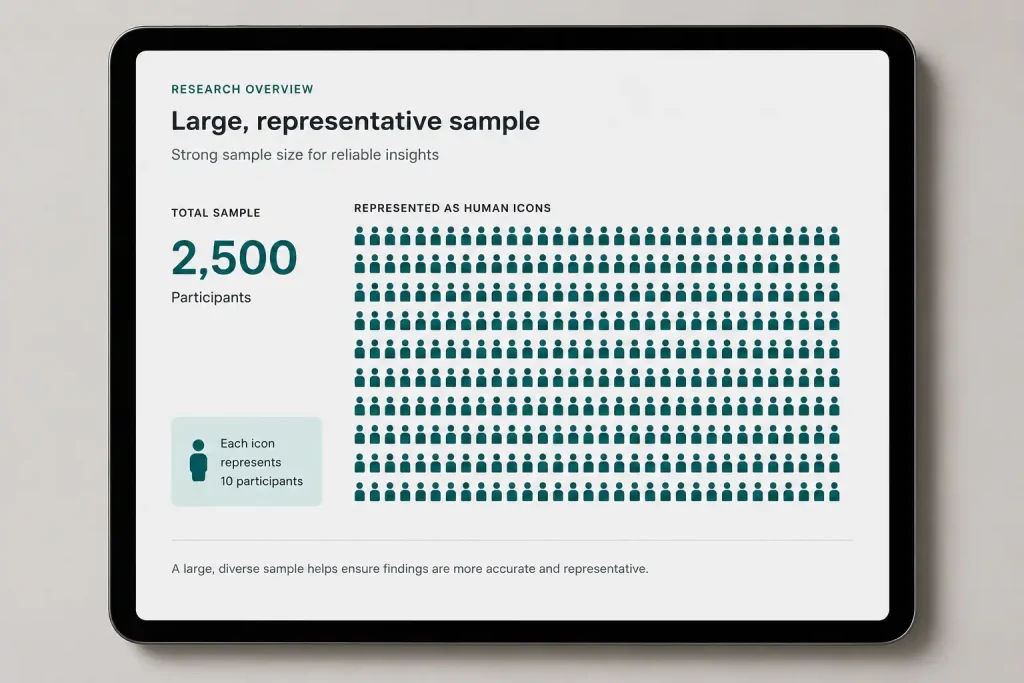
The evidence base behind this is unusually solid. The Gambling Survey for Great Britain drew on 19,714 adults in its key wave, the largest sample of its kind ever collected, and Andrew Rhodes, who runs the Gambling Commission, has described that survey as a key building block of the evidence base. When a regulator builds policy on a sample that size, the resulting picture of how people gamble, and how they pay, is something a thoughtful player can actually trust and use.
This piece reads that data with one question in mind: what does it tell a Skrill casino player about themselves? Not as a stereotype, but as context, the backdrop of behaviour and risk against which any individual can locate their own play. Understanding the numbers is a quiet form of self-knowledge, and self-knowledge is the foundation of playing safely.
What the Participation Data Shows
Start with the simplest question the data answers: how many people actually gamble, and how. The headline participation figures puncture a couple of assumptions and set the scene for everything else.
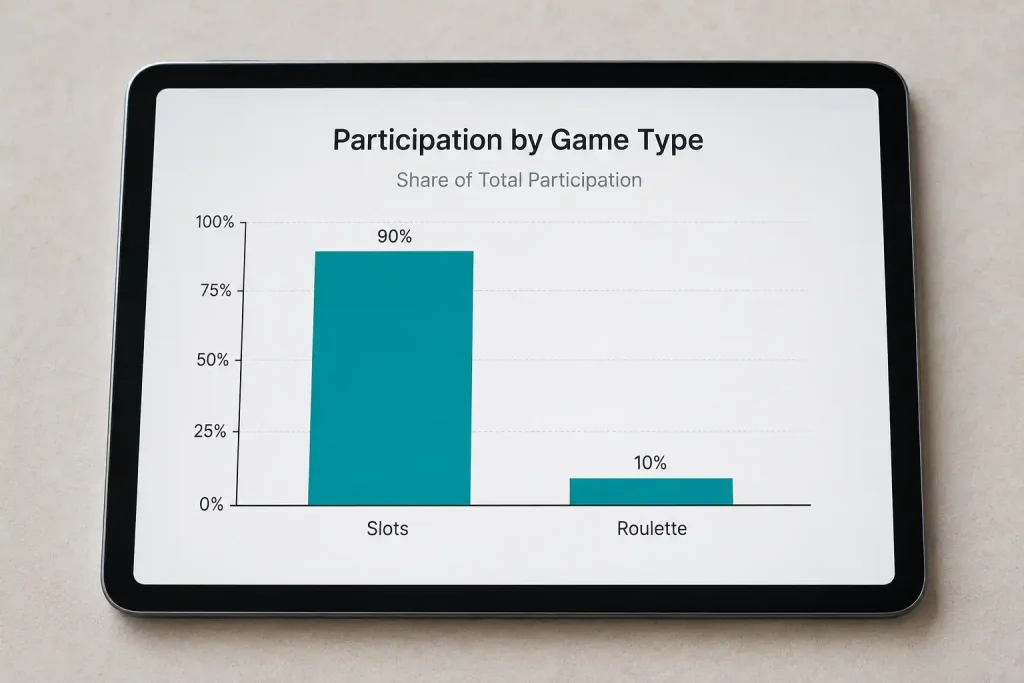
Just under half of UK adults, 48 per cent, gambled in the past month, though that figure falls to 28 per cent once lottery-only play is stripped out. So gambling is common, but heavy, non-lottery engagement of the kind that runs through a casino wallet is a minority pursuit, not the national norm the participation headline implies. That distinction matters, because it means the regular Skrill casino player sits in a more committed segment than the casual lottery buyer, and committed play carries different risks worth being honest about.
The product data sharpens this further. Online casino games generate the highest share of online yield, and online slots dominate within that, accounting for 83.5 per cent of online casino gross gambling yield while roulette takes 7.5 per cent. Slots are where the money and the engagement concentrate, and they are also the product most associated with harm. So a wallet user playing online slots is, statistically, engaging with the most intensive corner of a minority activity, which is not a reason for alarm but is a reason for awareness. The data locates you, and knowing where you sit is the first step to staying in control.
What the Risk Data Tells a Player
The hardest numbers to read are the ones about harm, and they are also the most important, because they tell a player honestly what the risks actually look like rather than leaving them to guesswork. The data here is specific enough to be genuinely useful.
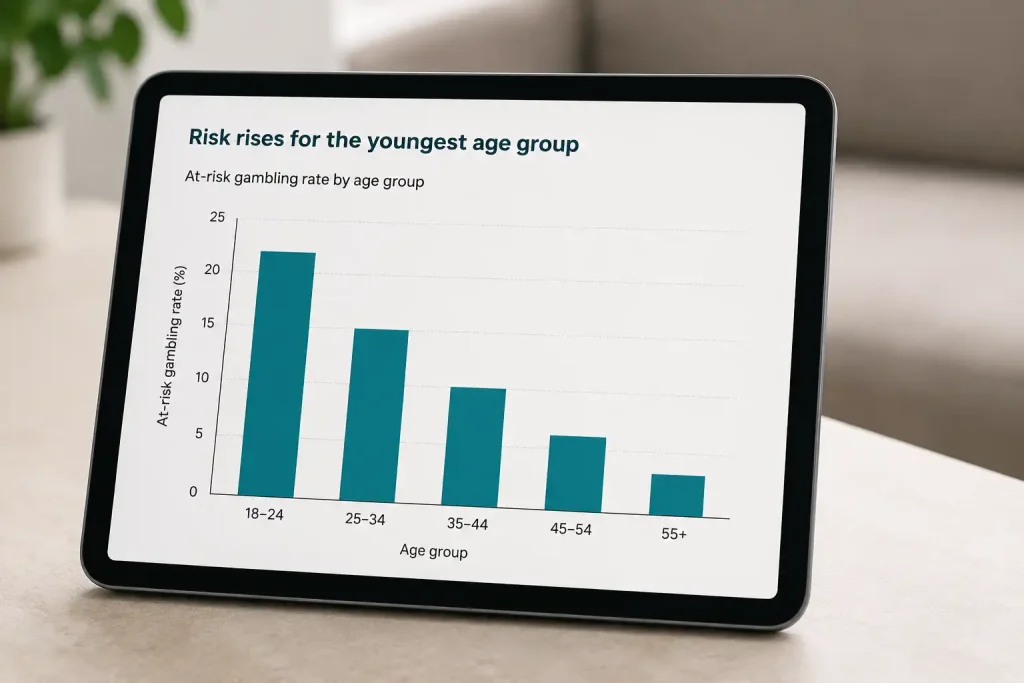
The overall picture is that around 2.7 per cent of UK adults score eight or more on the problem-gambling index, roughly 1.4 million people. That is a minority, but a substantial one, and it climbs sharply in the youngest adults, with 5.3 per cent of 18-to-24-year-olds in that highest-risk band. Since the Skrill casino user base skews younger, the wallet’s typical player overlaps with the age group carrying the most elevated risk, which is exactly the kind of fact worth knowing about yourself rather than ignoring.
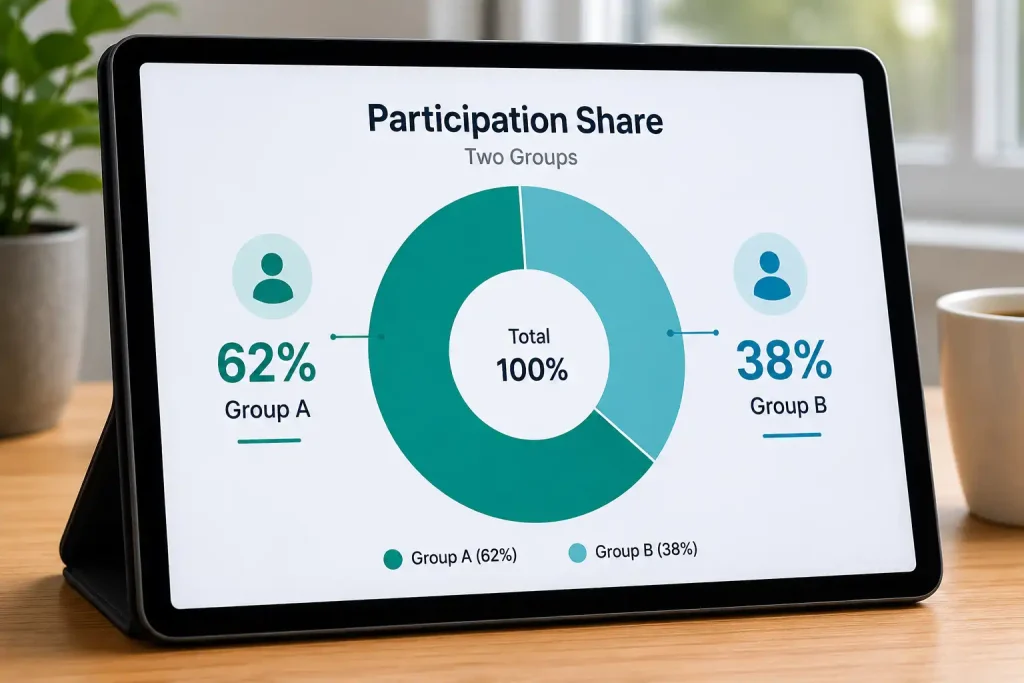
The product and stake data join up with this. More than 70 per cent of single-product sessions over three hours are online slots, and 52 per cent of players staking above two pounds and up to five pounds fall into the highest harm-risk group, which is part of why the regulated market introduced stake caps. For a wallet user, the practical reading is direct: the combination of online slots, longer sessions, and frictionless funding is precisely the profile the data flags, and recognising that profile in your own play is the cue to lean on the safer-gambling tools the regulated market provides, the same protections explored in the guide to whether Skrill is safe and legal for UK casino play.
Recommended online casinos
- SlotoSportBonus: 500% up to £ 10 200+ 777 FS · Payout speed: 1-3 business days
- x3betBonus: Welcome Pack 100% Up to £1.000 + 200 Free Spins · Payout speed: 1-3 business days
- AmunbetBonus: Join now and get 450% up to 2,700 GBP + 450 FS · Payout speed: 1-3 business days
- WinBeastBonus: €5000 + 500 FS + €650 Freebet · Payout speed: 1-3 business days
- NightLuckBonus: Welcome Pack + 805% Up To 6400€ + 280 FS · Payout speed: 1-3 business days
- ZombillionBonus: Welcome Pack 250% up to £4000 + 200 FS · Payout speed: 1-3 business days
- DieselwinBonus: Welcome Pack 250% up to £4000 + 200 FS · Payout speed: 1-3 business days
Turning Data Into Self-Awareness
Numbers about millions of strangers are only useful if you can turn them inward, and that is the move this whole piece builds toward: using population data as a mirror for your own behaviour. The data does not predict you, but it tells you which questions to ask yourself.

Use the figures as reference points. If the highest-risk stake band sits between two and five pounds, that is a number to be conscious of in your own play. If long slot sessions are the pattern the data flags, the length of your own sessions becomes worth watching. If the youngest players carry the most risk and you are in that group, that is a reason for extra deliberateness, not shame. The data gives you a set of calibrated benchmarks against which to read your own habits honestly, which is far more useful than a vague sense that gambling is risky in general.
The deeper value is that good data supports good tools. Rhodes framed the survey as a key building block of the evidence base precisely because measurement is what makes protection effective, from stake limits to affordability checks to deposit controls. Those tools were shaped by the very numbers in this piece, which means engaging with them is engaging with the conclusions the evidence reached. A player who reads the data and then sets a deposit limit, watches their session length, and stays within a stake band they are comfortable with is doing, individually, what the whole evidence base recommends collectively. The numbers describe the population. Used as a mirror, they help you take care of the one person they cannot see, which is you.
What does UK gambling data say about online slots players?
Online slots dominate online casino activity, making up 83.5 per cent of online casino yield, and they are the product most associated with harm, accounting for over 70 per cent of single-product sessions running beyond three hours. A wallet user playing slots is engaging with the most intensive corner of online gambling, which is a reason for awareness and use of safer-gambling tools.
Are younger Skrill players at higher risk according to the data?
The data shows problem-gambling rates peak in the youngest adults, with 5.3 per cent of 18-to-24-year-olds in the highest-risk band against 2.7 per cent across all adults. Since the Skrill casino user base skews younger, its typical player overlaps with that elevated-risk group, which is a reason for extra deliberateness and active use of deposit and session controls.
Articles
Published by the Skrill Casino team.