
Reverse Withdrawals and Why a Fast Skrill Payout Protects You
 Available in GB
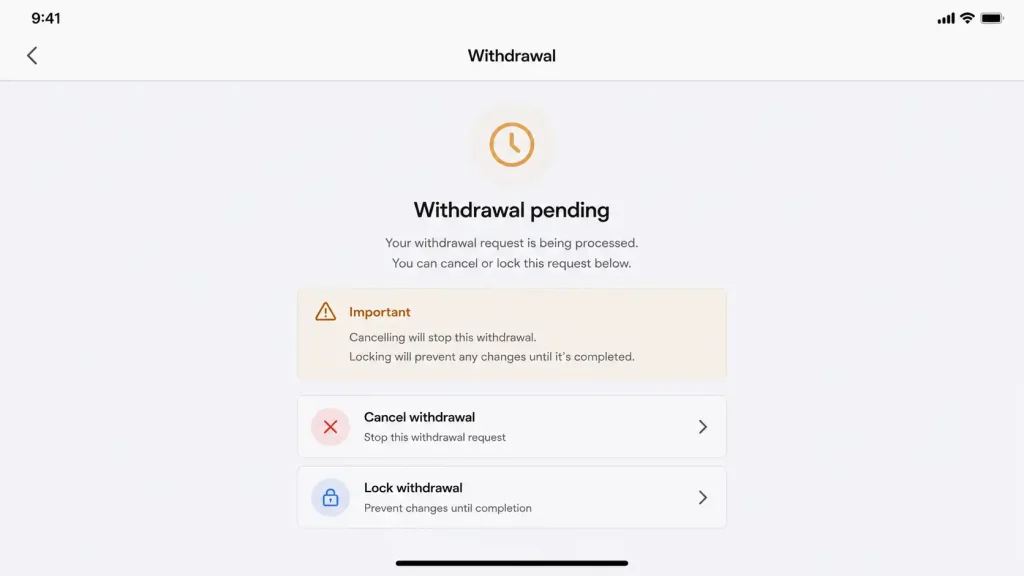
The Trap Inside a Pending Withdrawal
There is a feature on many casino cashiers that looks helpful and quietly works against you, and almost nobody notices the danger until they have already fallen into it. It is the reverse withdrawal, the ability to cancel a pending payout and send the money back into your playable balance. Dressed as flexibility, it is one of the most effective ways a player gives back a win.
Here is the trap in motion. You win, you request a withdrawal, and the casino holds it in a pending state for a fixed period before processing. During that window you can reverse it, pulling the money back to gamble with. So the win you secured is not really secured at all; it is sitting in limbo, one weak moment away from being staked again. The pending period that exists for good reasons also creates a door back to the table, and that door is the problem.
This matters because the product most people are playing is the one least forgiving of a second go. Stephanie Peacock, the minister responsible for the brief, has described online slots as the highest-risk gambling product, linking them to binge play and significant losses. A reversed withdrawal feeds money straight back into exactly that risk, which is why the speed and finality of how you cash out is not a dry payments detail but a genuine protection.
How Reverse Withdrawals Erode Winnings
The psychology here is worth slowing down on, because the reverse withdrawal does not feel like a mistake while you are making it. It feels reasonable, even responsible, which is precisely what makes it so corrosive to a balance you had every intention of keeping.
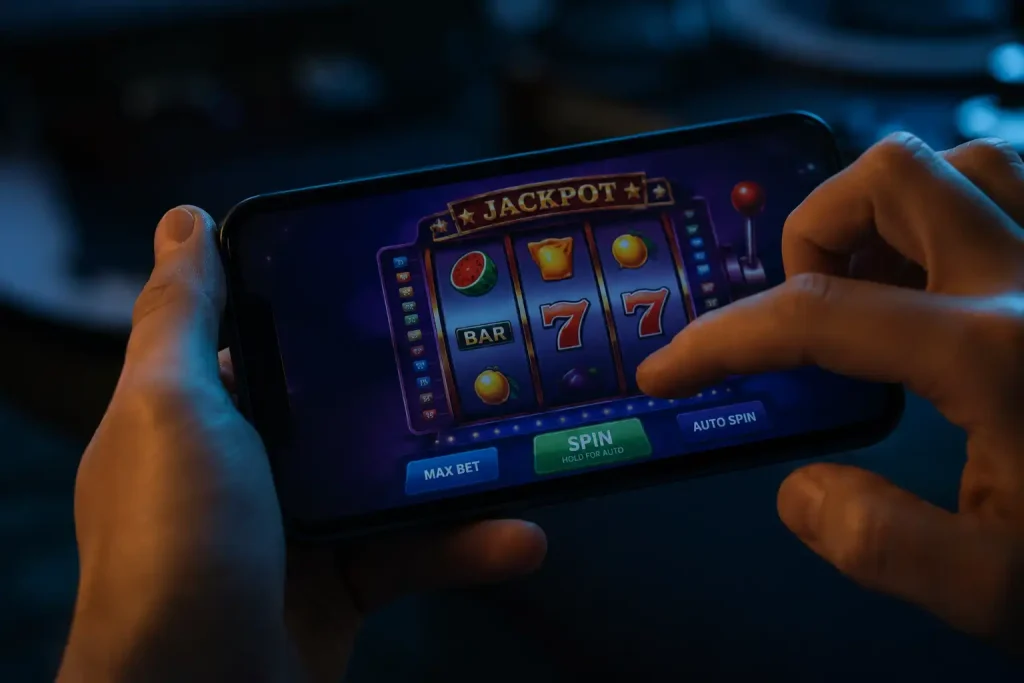
Picture the sequence. You cash out 400 pounds and feel good about it. The money sits pending for 48 hours. On the second evening you fancy another session, your everyday account is the obvious place to fund it, but here is 400 pounds already sitting one click away in the casino, no deposit required. So you reverse a chunk of it, “just to play with the winnings”, and the win you had locked starts leaking back into stakes. The pending window turned a completed decision into a renegotiable one.

The data on slots explains why this leak is so dangerous specifically. Online slots account for more than 70 per cent of single-product sessions lasting over three hours, with an average stake of around 60 pence, so reversed money tends to flow into long, grinding sessions of small repeated bets, which is the pattern most associated with harm. The reverse withdrawal does not just risk the money once; it feeds it into the very mode of play that erodes balances most reliably. A fast, final payout removes that risk by getting the money out of reach before the second evening ever arrives, which is part of the broader mechanics covered in the guide to Skrill casino withdrawals.
Recommended online casinos
- SlotoSportBonus: 500% up to £ 10 200+ 777 FS · Payout speed: 1-3 business days
- x3betBonus: Welcome Pack 100% Up to £1.000 + 200 Free Spins · Payout speed: 1-3 business days
- AmunbetBonus: Join now and get 450% up to 2,700 GBP + 450 FS · Payout speed: 1-3 business days
- WinBeastBonus: €5000 + 500 FS + €650 Freebet · Payout speed: 1-3 business days
- NightLuckBonus: Welcome Pack + 805% Up To 6400€ + 280 FS · Payout speed: 1-3 business days
- ZombillionBonus: Welcome Pack 250% up to £4000 + 200 FS · Payout speed: 1-3 business days
- DieselwinBonus: Welcome Pack 250% up to £4000 + 200 FS · Payout speed: 1-3 business days
Using Wallet Speed to Lock a Win
This is where a fast wallet stops being a convenience and becomes a safeguard. The quicker your winnings leave the casino and settle somewhere you would have to consciously choose to gamble again, the harder it is to undo a good decision on a whim. Speed, here, is protection.
The wallet’s natural pace is the ally. Players already recognise this, with 65 per cent of online bettors regarding digital wallets as the fastest route to their winnings. The faster the casino-to-wallet leg completes, the shorter the window in which a reverse withdrawal is even possible, and once the money is in your Skrill balance rather than pending at the casino, reversing it back into play takes a deliberate redeposit rather than a single cancel-click. You have replaced an easy reversal with an active decision, and that friction is exactly what a tempted player needs.
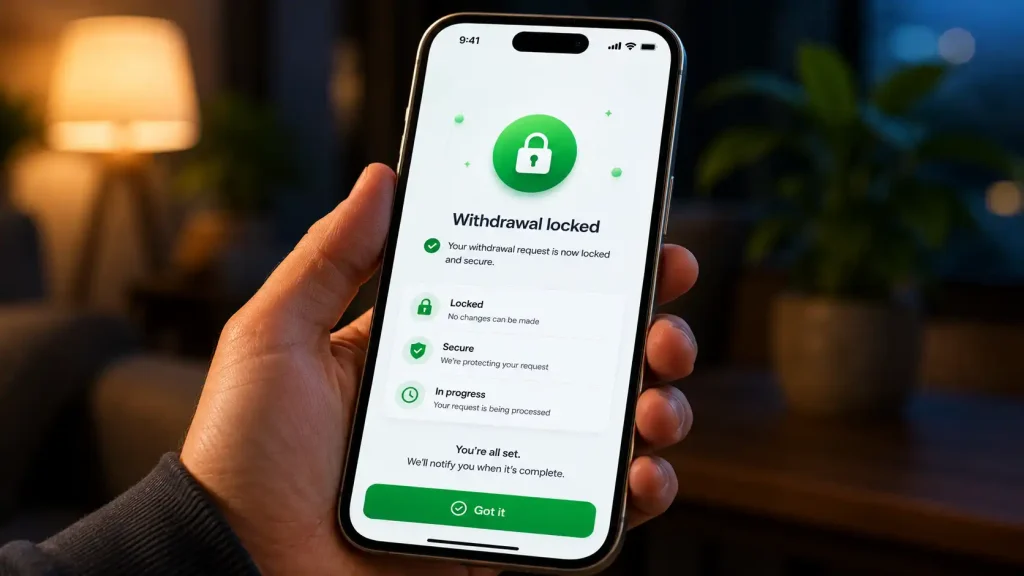
Two habits sharpen this further. First, where a casino offers the option to lock or accept a withdrawal so it cannot be reversed, use it; that single setting closes the door entirely. Second, get your money moving outward fast and do not let it idle in a pending state you can undo. If your goal is to keep a win, the worst thing you can do is leave it reversible for two days, and the best thing you can do is push it through the wallet and beyond easy reach. The wallet’s speed, which players value for convenience, doubles as the mechanism that makes a win stick.
Turning Payout Habits Into Self-Protection
None of this works as a one-off trick; it works as a routine, a default way of handling winnings that protects you without requiring willpower at the exact moment willpower is weakest. The point is to decide your payout behaviour once, in advance, so the tempting evening never gets a vote.
Build the routine around finality. Treat every withdrawal as final the moment you request it: lock it if the casino allows, never reverse it, and move it onward to your wallet and then, for larger sums, to your bank, where redepositing would mean a conscious transfer rather than a click. The further a win travels from the casino’s reversible pending state, the more secure it is, and the wallet is the first and fastest step on that journey outward.

It helps to remember why the whole apparatus of pending periods and limits exists. The regulated market builds in friction deliberately because the evidence on harm is serious, and a player can either treat that friction as an obstacle to route around or as a tool to lean on. Reversing a withdrawal routes around the protection; locking it leans on it. My standing advice is to make “I do not reverse withdrawals” a personal rule as firm as any deposit limit, because it guards the only money in gambling that is genuinely yours to keep, the money you have already won. Used this way, the wallet’s speed is not just about getting paid quickly. It is about getting a win to safety before you can talk yourself out of keeping it.
What is a reverse withdrawal and why is it risky?
It is the option to cancel a pending casino withdrawal and return the money to your playable balance. The risk is that a win you had secured becomes available to gamble again with a single click, with no fresh deposit needed. Because the money is already there, reversing it is easy and tends to feed back into exactly the kind of play that erodes balances.
How does a fast Skrill payout help me keep my winnings?
Speed shortens the window in which a withdrawal can be reversed and gets the money into your wallet, where playing it again requires a deliberate redeposit rather than a quick cancel. Locking the withdrawal where the casino allows closes that door entirely. The faster and more final the payout, the harder it is to undo a good decision on impulse.
Articles
Published by the Skrill Casino team.